
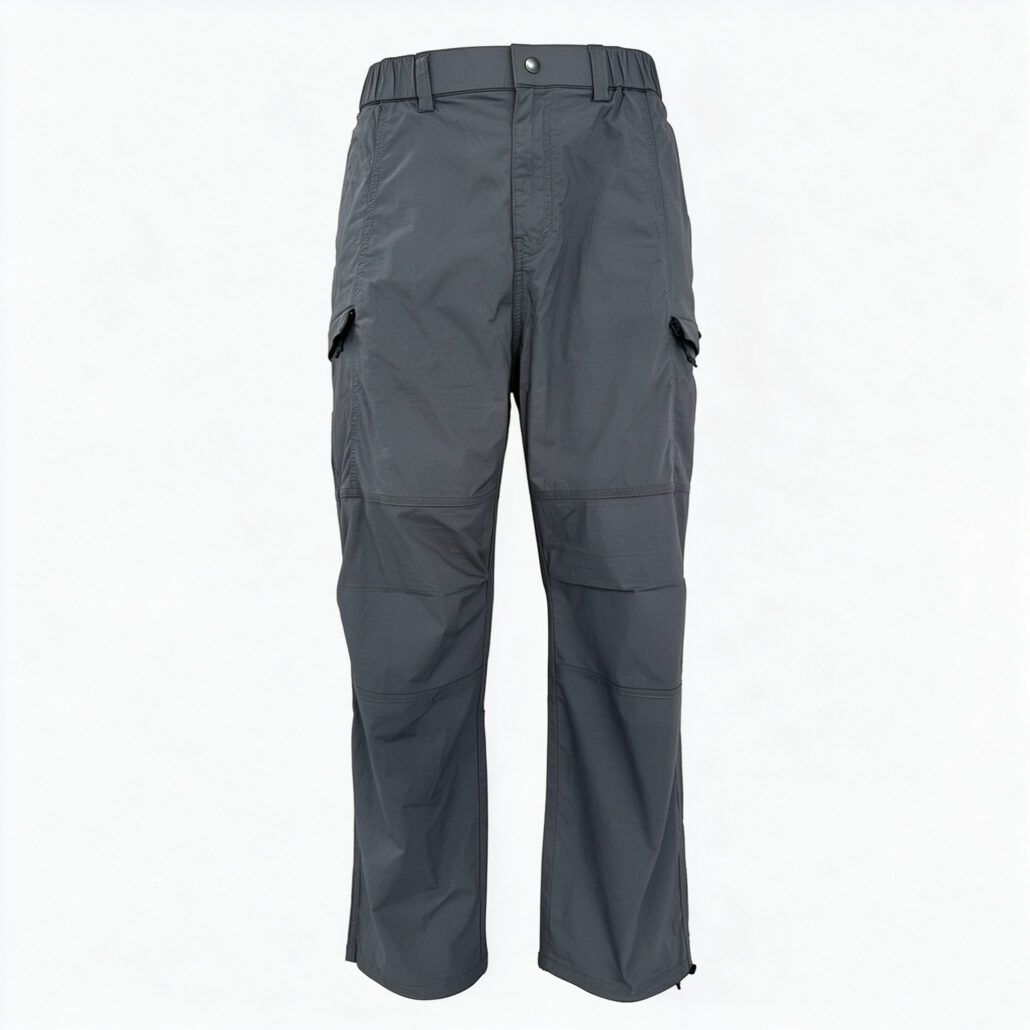
mens hiking trousers
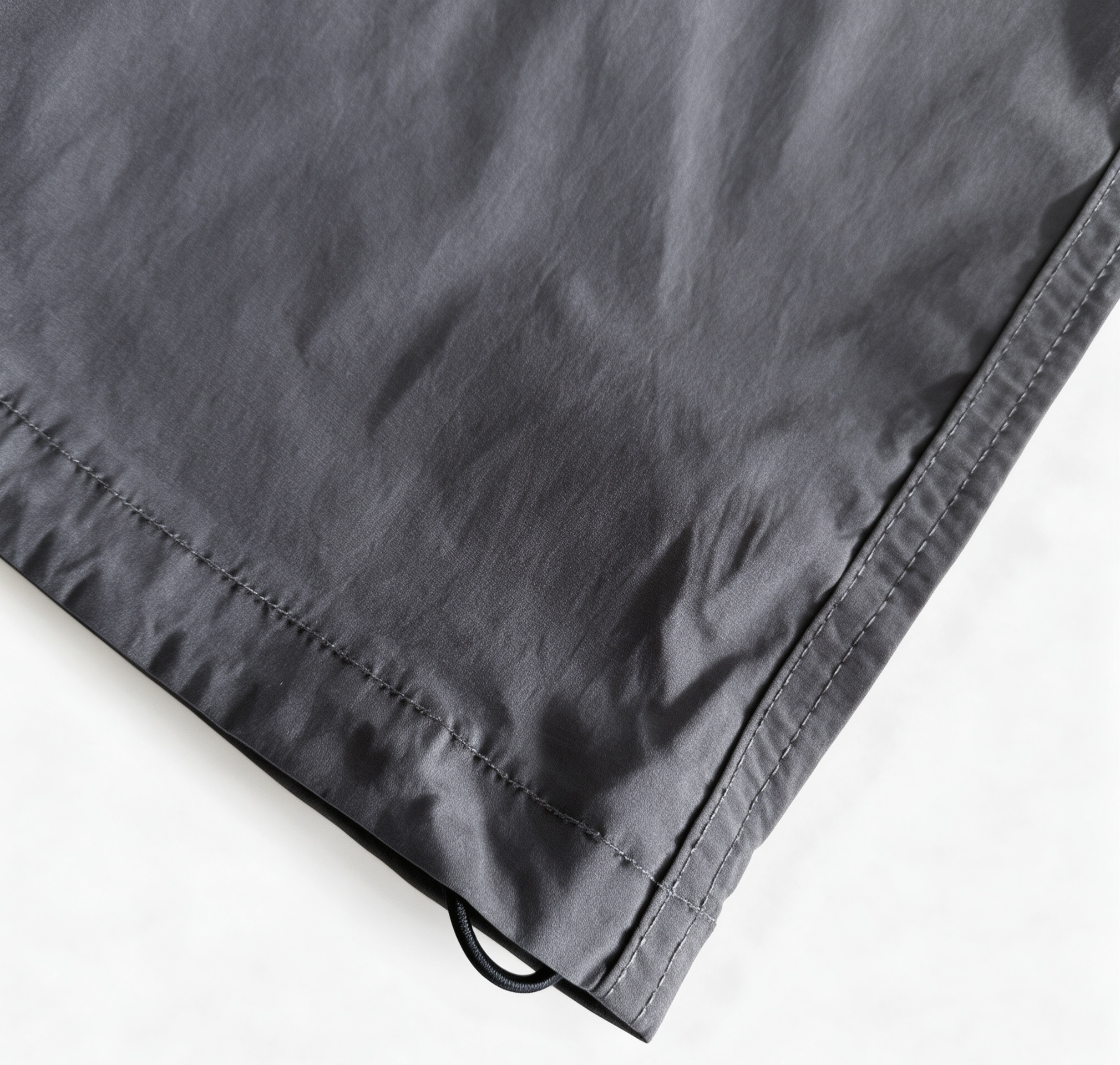
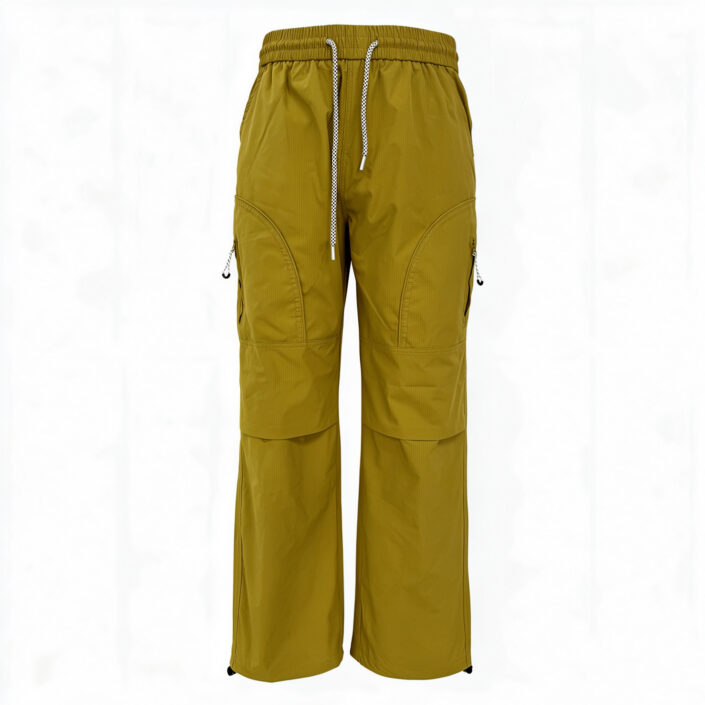
Men’s workwear trousers in a 97% cotton and 3% spandex fabric, thick enough for autumn and winter but breathable enough to wear indoors. The cut is a classic mid-rise straight leg with double pleats through the leg, which gives the trousers a three-dimensional shape and extra room to squat and kneel. The 3% spandex adds stretch that recovers, so the knees do not bag. Pockets are the practical part: two zipped side pockets for a phone and wallet, two cotton 3D patch pockets and large back pockets. The waist has side elastic for a range of adjustment while keeping a proper trouser front with belt loops, and your logo can be embroidered or applied as a label. Sizes S–3XL. MOQ 100 pieces, sampling 7–10 working days, bulk 25–40 days.
Men’s Workwear Trousers — Straight Leg, Multi-Pocket, Built for Cold Weather
Why these trousers
There is a gap between jeans and hiking trousers, and this pair fills it: workwear styling, a straight leg that looks tidy, enough pockets to actually carry things, and a cotton-rich fabric heavy enough for autumn and winter.
They are the trousers you wear when you do not want to think about your trousers. Loose enough to squat, kneel and climb, structured enough to look sharp with a jacket, and practical enough that your phone, keys and wallet all have somewhere to go that is not a jacket pocket.
Fabric: 97% cotton and 3% spandex
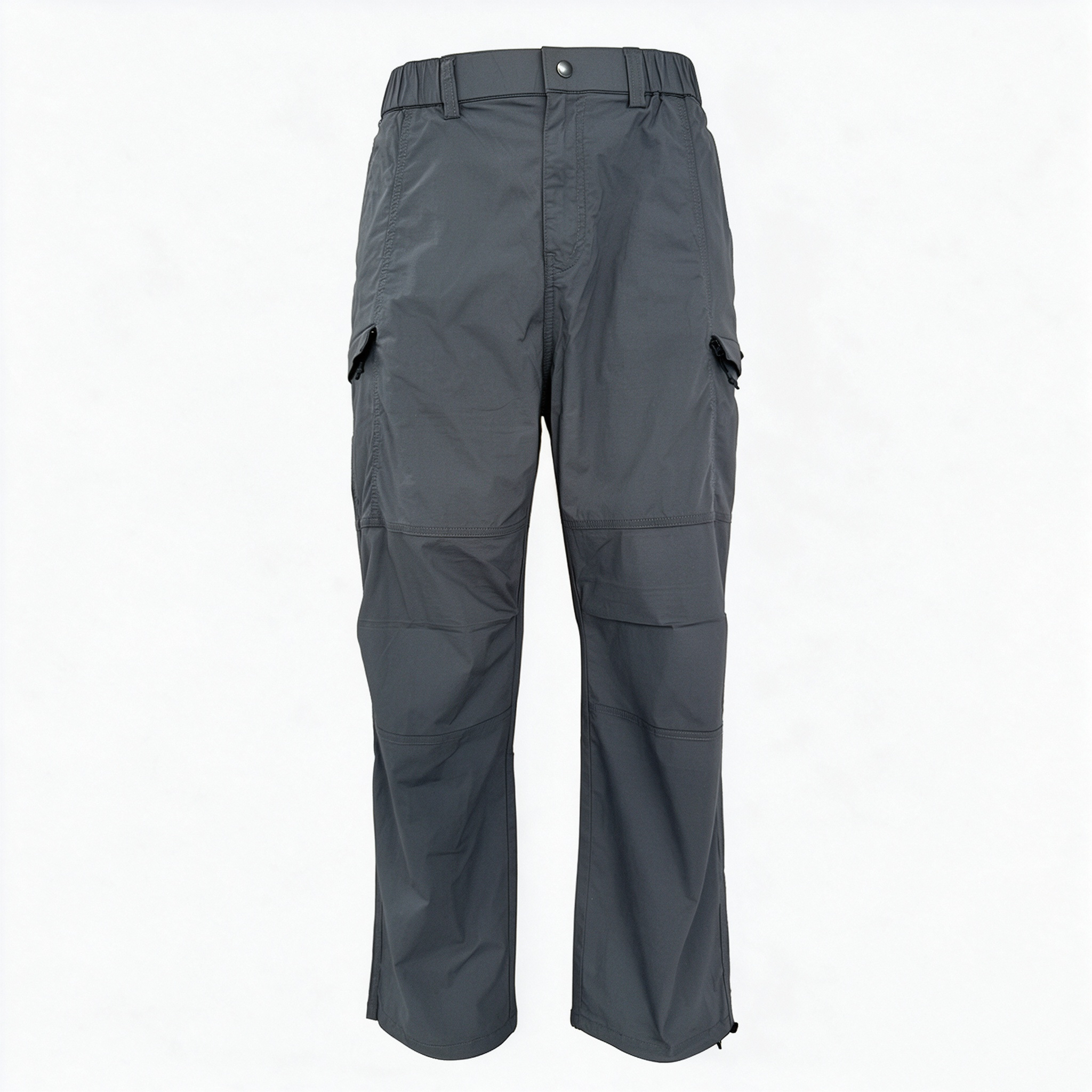
The fabric is 97% cotton with 3% spandex.
Cotton is what gives them their character. Cotton is breathable, it does not build up static, and it has a natural, dry hand feel. Because the cotton content is high, the trousers feel like proper cotton workwear rather than a slick synthetic fabric — they breathe when you wear them indoors, they do not feel clammy in a warm room, and they have the matte, structured look that workwear should have. Cotton also takes dye deeply, which is what makes a dark colourway look solid rather than thin and washed out.
The 3% spandex is what makes them wearable. A small amount of stretch is the difference between trousers that fight you and trousers you forget about. It lets you squat, kneel, step up onto a truck bed or a rock, and sit cross-legged without the fabric pulling tight across the thigh or the knee. Crucially, the stretch recovers: the trousers do not bag at the knees or stretch out at the seat after a day of wear, which is the usual complaint with cheap stretch fabric.
The weight is for cold weather. This is a thick, autumn and winter fabric — substantial enough to block the wind on your legs and to sit on cold ground without instantly feeling it, but not so heavy that they are uncomfortable indoors. It is the weight that works from October through to March in most climates.
Breathable and moisture-managing. A common problem with thick trousers is that they turn into a sauna. This fabric is woven to let air move, so heat and moisture escape rather than building up. Practically, that means you can wear them all day indoors, on a drive, or on a walk, without the damp, overheated feeling you get from a coated or non-breathable fabric.
Structure and drape. The trousers have body: they hang in a straight line rather than clinging, and they hold a defined shape at the thigh and the knee. At the same time, the cotton is soft enough that they do not feel stiff or cardboard-like. That combination — structured but soft — is what makes them look good without feeling restrictive.
Design and details
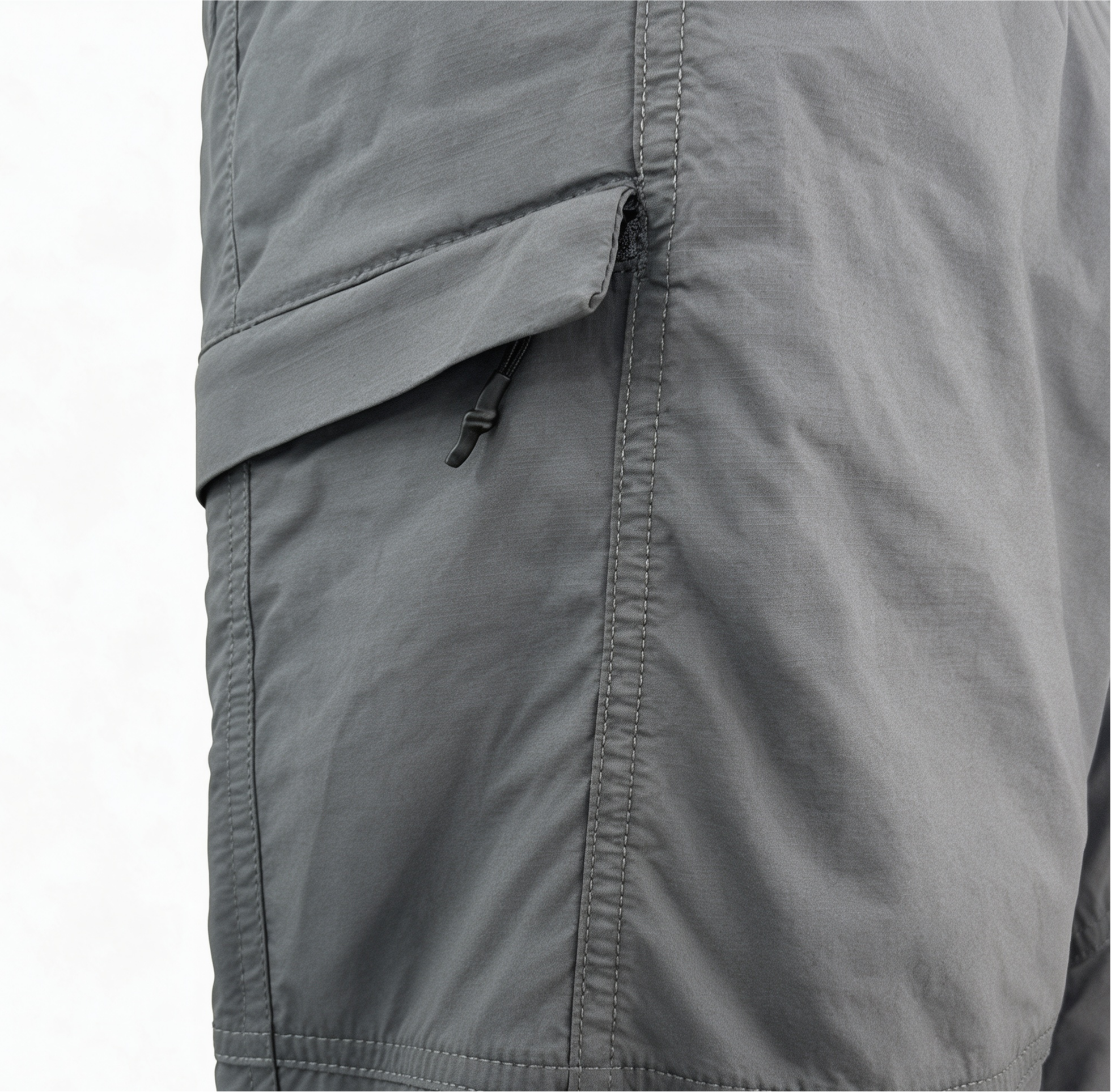
The cut. These are a classic mid-rise, straight-leg workwear fit. The waist sits at the natural mid-rise position, the hip has room, and the leg falls straight from the thigh to the hem without tapering or flaring. It is a cut that flatters a range of leg shapes: it visually straightens the line of the leg, balances the hip, and avoids the tightness that shows every line.
The double pleats. The leg has a double pleat detail, which is the design feature that gives the trousers their three-dimensional look. The pleats add volume and structure through the thigh and the knee, so the trousers read as designed rather than flat, and they give the leg a slightly architectural line. They also add a small amount of extra room where you need it, which is why pleated trousers are more comfortable to squat in than flat-front ones.
The waistband. The waistband is elasticated at the sides, which is a practical detail that most workwear does not have. The elastic gives you a range of adjustment — useful after a meal, when layering a base layer underneath in winter, or simply for a more comfortable fit across a wider range of body shapes — while the front still looks like a proper trouser waist with a flat front and belt loops. It does not look like a tracksuit waistband.
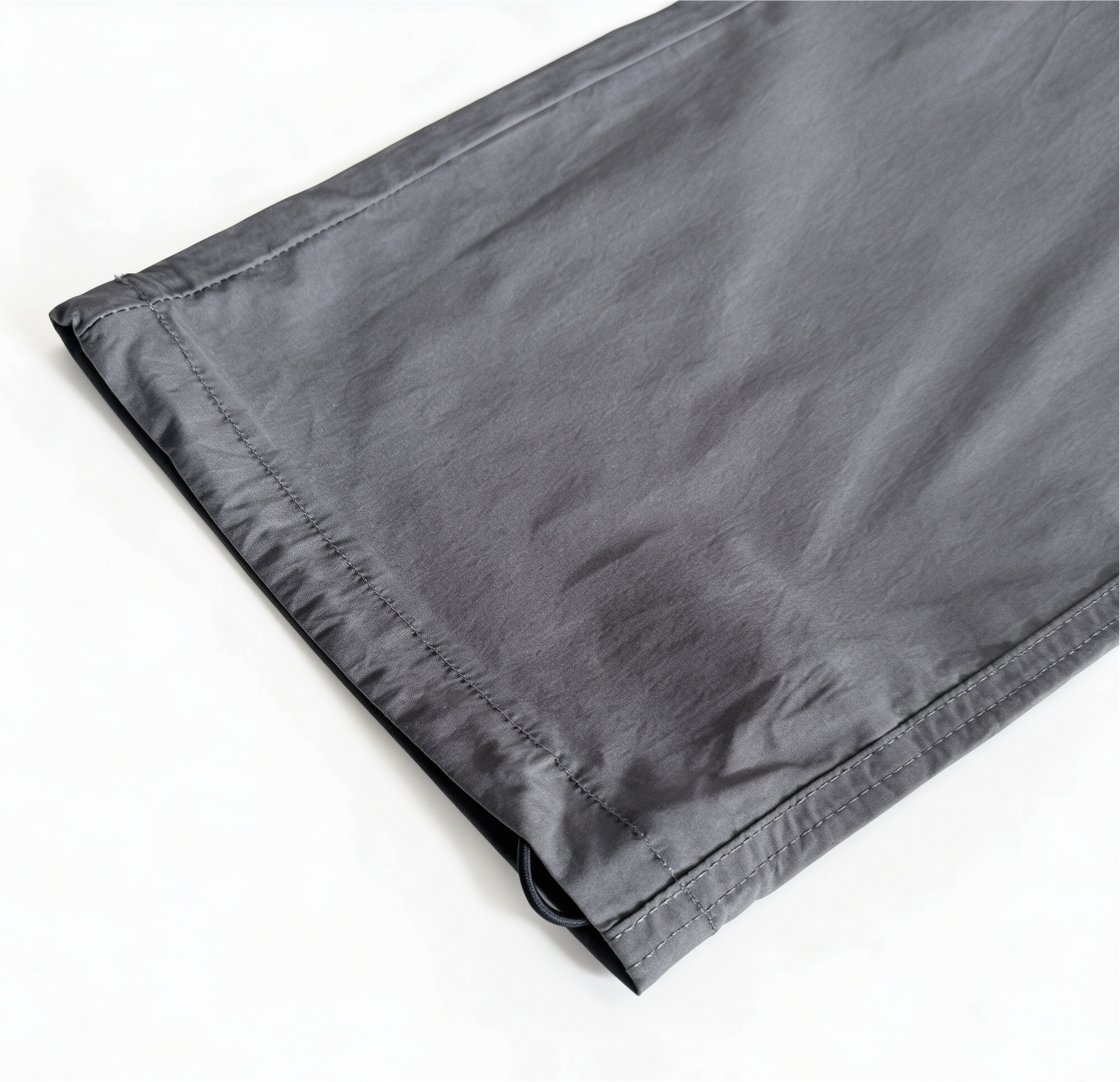
The pockets. This is where the trousers earn their place:
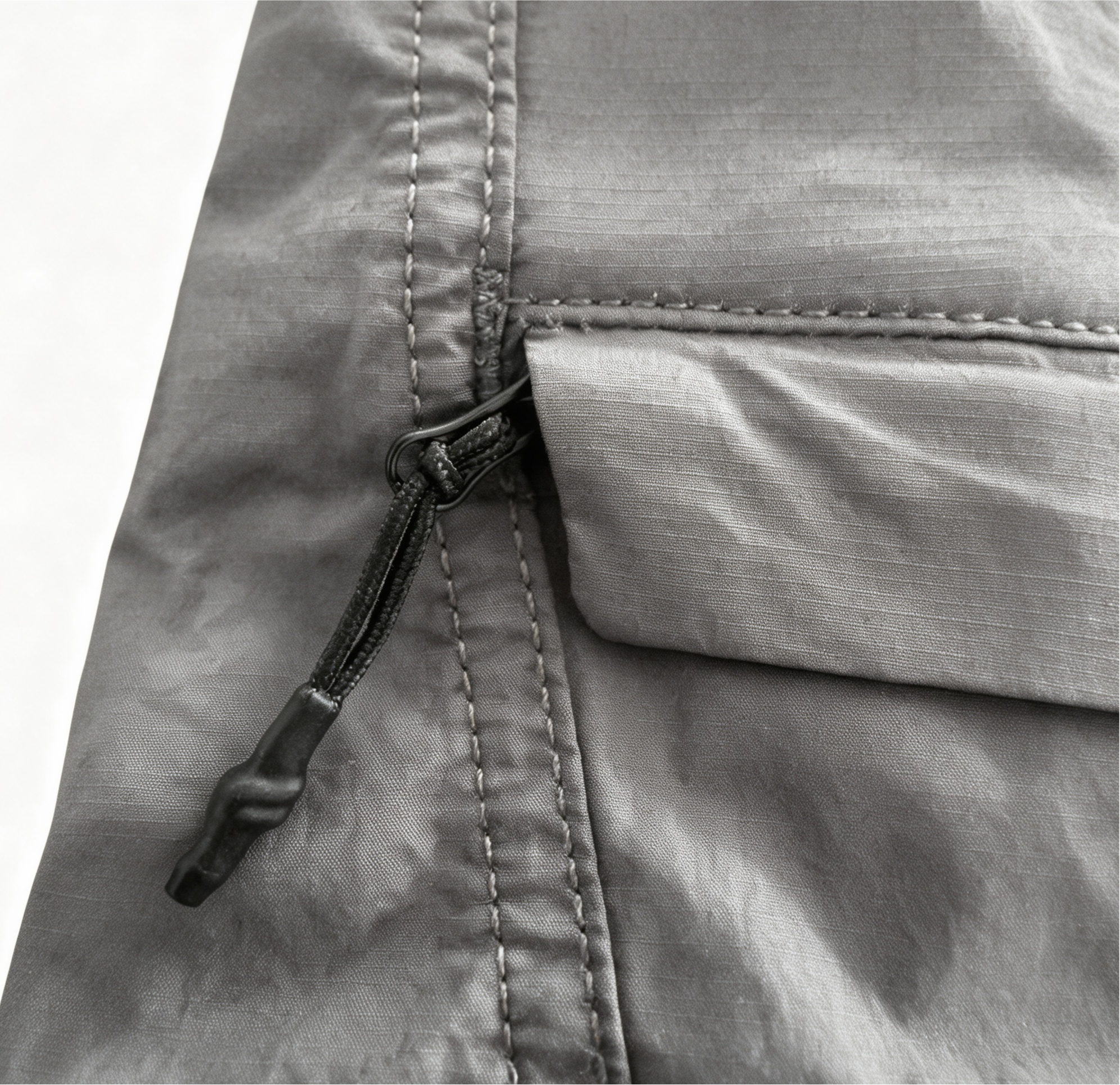
- Two side zip pockets. Zipped pockets are the ones you actually trust: a phone, wallet or keys can go in and will not fall out when you sit down, climb or bend. The zip is set into the side seam so it does not add bulk.
- Two 3D patch pockets in cotton. The large patch pockets are built out from the leg rather than lying flat, which gives the trousers the utility look and adds a functional pocket for a notebook, gloves or a tool. The 3D construction is also part of the silhouette — it is what makes the trousers look like workwear rather than plain chinos.
- Large back pockets. The rear pockets are cut generous, which is the practical choice: they hold a wallet, a phone or a folded cloth comfortably while still looking neat from behind.
Custom logo. The trousers can carry a logo — embroidered on the pocket, applied as a woven or printed label, or stamped onto a patch. It is a small detail that turns plain workwear into a branded product, and we confirm the placement and the technique on the sample so the logo sits where it is visible but not intrusive.
Fit and sizing
Sizing is based on waist relaxed, waist stretched, hip, thigh, knee, leg opening, inseam and total length, measured flat without stretching. The size guide lists everything in centimetres and inches, and because the waist has side elastic, both the relaxed and stretched waist are shown so customers can see the adjustment range.
The trousers run from [S–3XL]. Because the fit is straight and loose rather than slim, take your normal waist size; if you are between sizes, the side elastic makes the smaller size wearable, and the larger size more relaxed. The inseam is the measurement that decides how the trousers sit on the shoe, so it is worth checking against a pair you already own.
Where to wear them
Everyday and workwear styling. With a T-shirt or a work shirt and trainers or boots. The straight leg and the pockets read as intentional casual wear rather than sports kit, so they work for a commute, a site visit or a day in town.
Outdoor and hiking. The stretch, the thickness and the pockets make them a good light hiking and camping trouser for cool weather. They are not a waterproof shell, but they handle wind, brush and rough ground well.
Autumn and winter commuting. The weight and the structure make them suitable for cold mornings and for sitting on cold surfaces, and the stretch means they do not fight you when you get in and out of a car or climb stairs.
Travel. Zipped pockets are exactly what you want when travelling, and the straight, structured look means they are presentable for a flight or a meeting without looking like hiking gear.
Washing and care
How to wash. Machine wash cold or at 30°C, on a normal or gentle cycle, with similar colours. Turn them inside out first — this protects the surface and the colour, and it keeps the zips from rubbing against the fabric.
Detergent. Use a mild detergent. Do not use bleach: bleach damages cotton fibres, weakens the fabric and turns dark colourways patchy.
Zips. Close all zips before washing so they do not snag other garments or the fabric itself. Wash dark colours separately, especially for the first few washes, in case of loose dye.
Drying. Hang them to dry, or tumble dry on low. Avoid high heat: heat is what shrinks cotton and causes dark colours to fade. Drying them in the shade keeps the black looking black for longer.
Ironing. Iron on the reverse at medium temperature if you want a crisp finish. Ironing while slightly damp gives the best result, and pressing on the reverse protects the surface.
Storage. Store them folded or hanging, making sure they are completely dry first. Zipped pockets should be closed, and the trousers should be kept away from damp to avoid mildew.
Questions buyers usually ask
Are they warm enough for winter? They are a thick autumn and winter weight. They are warm for cool weather, and in the coldest conditions they work over a base layer.
Do they restrict movement? No. The 3% spandex gives enough stretch to squat, kneel and climb comfortably, and the pleats add room through the thigh.
Will they stay in place? Yes. The mid-rise waist with side elastic holds without a belt, and the belt loops are there if you want one.
Do the zip pockets work? Yes — they are proper zipped pockets, sized for a phone, wallet or keys.
Will the black fade? Wash cold and dry in the shade, and the colour stays deep. Avoid bleach and high heat.
Can I add my logo? Yes. Embroidery, woven labels, printed labels and patches can all be applied, with your own hangtag and packaging if you want a complete branded product.
For buyers
100 pieces per colourway, with mixed sizes accepted in one order. Sampling takes 7–10 working days per round, and bulk production runs 25–40 days after sample approval and deposit. The fabric weight, the pocket layout, the pleats, the waistband, the logo application, the labels and the packaging can all be developed to your specification, and carton markings and barcodes are produced to your artwork.
Why these trousers work
They combine what customers actually ask for in cold-weather workwear: a straight leg that looks tidy, real pockets — two of them zipped — a fabric that is thick enough for winter but breathable enough to wear indoors, and enough stretch to squat, kneel and climb without restriction. The double pleats and the 3D patch pockets give them a designed, three-dimensional look; the cotton-rich blend keeps them soft and breathable; and the side elastic waistband makes them comfortable across a wider range of body shapes than a fixed waist ever could.
They are simple and slightly unusual at the same time — which is exactly what makes a pair of trousers get worn every day.


Leave a Reply
Want to join the discussion?Feel free to contribute!