
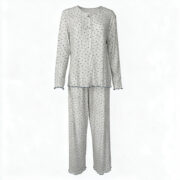
How to Make Custom Women’s Sleepwear and Loungewear
Custom women’s sleepwear and loungewear are two related but distinct product categories. Sleepwear is designed primarily for sleep, emphasizing comfort, breathability, and freedom of movement. Loungewear is intended for relaxing at home and may also be worn for travel, casual outings, or everyday activities.
For fashion brands, retailers, wholesalers, and private-label businesses, developing these products involves more than choosing an attractive design. Fabric composition, GSM, garment fit, construction, sizing, color consistency, and wash performance all influence the final product and its commercial value.
At Qingdao Chengyuan Garment Co., Ltd., we provide integrated garment services covering design, pattern making, sampling, and bulk production. Our monthly capacity is approximately 80,000–120,000 finished garments across our operations, supporting both trial orders and larger B2B production programs.
This guide explains how to develop women’s sleepwear and loungewear separately, choose suitable fabrics, and confirm key details before buyers place a bulk order.
1. Understand the Difference Between Women’s Sleepwear and Loungewear
Although both categories prioritize comfort, their intended uses influence fabric selection, fit, construction, and product positioning.
| Feature | Women’s sleepwear | Women’s loungewear |
|---|---|---|
| Primary use | Sleeping and nighttime comfort | Relaxing at home, travel, casual activities |
| Common products | Pajama sets, nightgowns, sleep shirts, camisole sets, robes | Lounge sets, joggers, relaxed pants, sweatshirts, lounge dresses |
| Fabric priorities | Soft hand feel, breathability, suitable warmth, comfort against skin | Softness, drape, durability, shape retention, versatile styling |
| Fit direction | Relaxed or comfortable fit with minimal restriction | Relaxed, oversized, fitted, or athleisure-inspired |
| Common fabric options | Cotton, cotton jersey, modal, viscose, satin, flannel | Cotton jersey, cotton blends, modal, French terry, fleece, rib knit |
| Key quality concerns | Seam irritation, shrinkage, colorfastness, fabric comfort | Pilling, waistband recovery, shape retention, seam durability |
| Common sales channels | Sleepwear brands, department stores, online retailers, gift collections | Lifestyle brands, fashion retailers, direct-to-consumer brands, wholesale distributors |
A product may serve both purposes. For example, a cotton lounge set can suit sleeping and relaxing at home. However, buyers should decide which use is the priority before selecting the fabric and fit.
This distinction helps manufacturers develop the right product instead of applying the same specifications to every style.
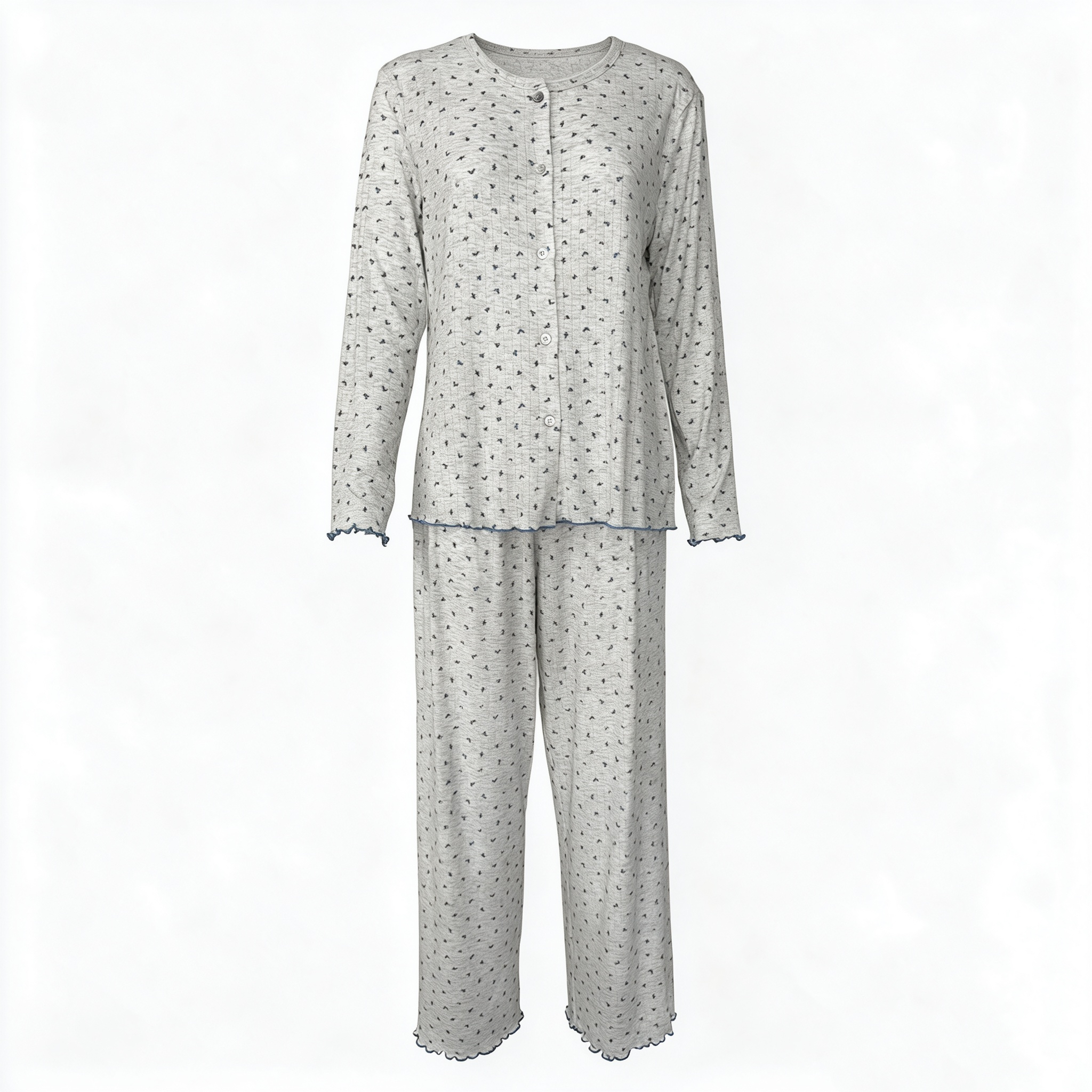
2. How to Make Custom Women’s Sleepwear
Women’s sleepwear is a next-to-skin product worn for extended periods. Fabric comfort, seam placement, garment temperature, and ease of movement are therefore central to product development.
Step 1: Choose the Right Sleepwear Style
Start by deciding which products you want to include in your collection.
| Sleepwear style | Design characteristics | Suitable product positioning |
|---|---|---|
| Two-piece pajama set | Coordinated top and pants or shorts | Everyday sleepwear and retail basics |
| Button-front pajama set | Collar, front placket, buttons, and matching bottoms | Classic or premium sleepwear |
| Camisole and shorts set | Lightweight top and short bottoms | Warm-weather collections |
| Nightgown | One-piece silhouette in different lengths | Everyday nightwear and premium collections |
| Sleep shirt | Relaxed shirt-style design, sometimes oversized | Casual and contemporary sleepwear |
| Robe or dressing gown | Wrap, belt, or open-front construction | Layering, gifting, and coordinated collections |
| Thermal sleepwear | Warmer fabric and more covering silhouettes | Cold-weather collections |
Before sampling, confirm the target customer, intended season, preferred silhouette, size range, and target retail price.
For example, a lightweight camisole set designed for summer requires a different fabric and construction approach from a long-sleeve winter pajama set. The first may prioritize low weight and airflow, while the second may need greater warmth and coverage.
Step 2: Select the Best Fabric for Women’s Sleepwear
Fabric selection affects comfort, appearance, cost, print quality, and how well it washes. Buyers should evaluate the complete fabric specification rather than selecting material by fiber name alone.
Common sleepwear fabrics
| Fabric | Main characteristics | Best applications | Points to check |
|---|---|---|---|
| 100% cotton | Familiar natural-fiber feel and good moisture absorption | Everyday pajamas, nightgowns, summer sleepwear | Shrinkage, wrinkles, softness after washing |
| Cotton jersey | Stretchable knitted structure with a casual appearance | Sleep T-shirts, shorts sets, relaxed pajamas | Stretch recovery, spirality, pilling |
| Cotton-polyester blend | Can improve wrinkle resistance and dimensional stability compared with some pure cotton constructions | Value-oriented pajama sets and easy-care programs | Fiber ratio, hand feel, breathability |
| Modal or cotton-modal blend | Smooth hand feel and fluid drape | Premium pajama sets, sleep shirts, camisole sets | Pilling, washing instructions, dimensional stability |
| Viscose or rayon | Soft drape and a fluid appearance | Nightgowns, relaxed sets, lightweight sleepwear | Wet strength, shrinkage, seam performance |
| Satin | Smooth surface and a glossy or lustrous appearance | Gift sets, bridal collections, premium-looking pajamas | Snagging, seam slippage, static, fiber composition |
| Silk | Lightweight luxury appearance and a smooth hand feel | Premium or luxury sleepwear | Material cost, care requirements, delicate handling |
| Flannel | Brushed surface that can provide a warm, soft feel | Winter pajamas and cold-weather sleepwear | Pilling, shrinkage, fabric weight |
These descriptions are general guidance. Actual performance depends on yarn quality, fabric construction, finishing, and garment design.
For additional background on common pajama materials and manufacturing considerations.
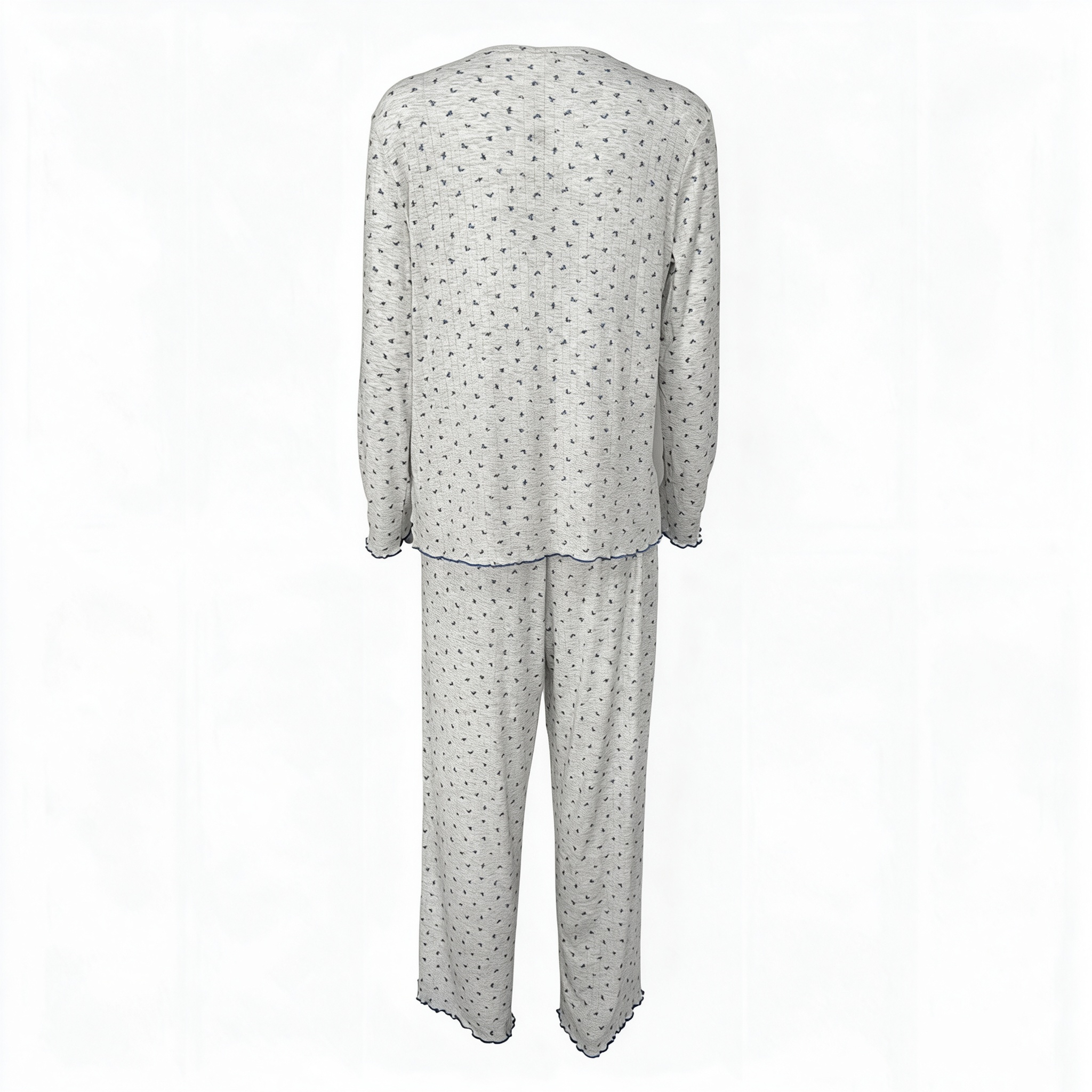
How to choose sleepwear fabric by season
Spring and summer: Consider lightweight cotton jersey, cotton poplin, viscose, or suitable modal blends. Prioritize airflow, a comfortable hand feel, and sufficient opacity.
Autumn: Cotton jersey, medium-weight blends, and brushed fabrics can balance comfort and warmth.
Winter: Flannel, heavier cotton constructions, and selected brushed or thermal fabrics may suit colder conditions. Confirm that the fabric is warm enough for the target market without making the garment unnecessarily heavy.
What GSM should buyers specify?
GSM means grams per square metre. It describes fabric weight, not softness, quality, or warmth by itself.
The following are indicative development ranges for common sleepwear materials. They are starting points for sampling rather than universal standards.
| Fabric category | Indicative GSM range | Possible application |
|---|---|---|
| Lightweight woven cotton | 90–140 GSM | Summer pajama shirts and lightweight nightwear |
| Cotton jersey | 140–200 GSM | Sleep T-shirts, shorts, and everyday pajama sets |
| Modal or modal-blend jersey | 140–200 GSM | Soft, draped sleepwear and premium casual sets |
| Lightweight satin | 70–120 GSM | Camisole sets, robes, and lightweight nightwear |
| Flannel or warmer brushed fabric | 160–240 GSM | Winter pajamas and warm sleepwear |
Actual specifications vary by weave or knit structure, fiber blend, finishing, and target market. Always request a physical swatch and test the finished garment before confirming bulk production.
Practical sourcing tip: Do not approve fabric based only on a photograph. Request a sample and check how it feels against the skin, how it drapes, whether it becomes transparent under light, and how it performs after washing.
Step 3: Develop the Fit and Construction
Sleepwear should allow the wearer to turn, sit, stretch, and move without uncomfortable restriction.
For pajama tops, confirm:
- Shoulder width and sleeve length.
- Chest ease and body length.
- Neckline or collar shape.
- Button placement and placket construction, where applicable.
- Pocket size and position, if required.
For pajama bottoms, confirm:
- Waistband height and elasticity.
- Waist and hip measurements.
- Front and back rise.
- Inseam and total length.
- Leg opening and overall silhouette.
- Drawcord, pocket, cuff, or other design details.
Nightgowns require confirming bust ease, armhole comfort, garment length, neckline construction, and, where applicable, strap adjustability.
Satin and other slippery fabrics require careful seam construction. Poorly controlled seams may pucker or shift, while an unsuitable seam finish can affect both comfort and appearance.
Step 4: Develop Samples and Test Wash Performance
Once the design, fabric, and measurements have been confirmed, the manufacturer can develop the first sample.
The buyer should check:
- Whether the sample matches the approved design.
- Whether the fabric composition and hand feel meet the specification.
- Whether the garment measurements are correct.
- Whether seams, buttons, elastic, and other details are secure.
- Whether the garment remains comfortable during movement.
- Whether washing changes the dimensions, color, texture, or overall appearance.
For example, a pajama set may fit correctly before washing but become too short if the fabric shrinks significantly. The solution is not simply to enlarge every garment; the manufacturer should evaluate the material, finishing process, pattern measurements, and required post-wash dimensions.
Record all sample comments in writing. If the waist needs to increase by a specified amount, document the required measurement and whether the change applies to every size.
After revisions, approve a final sample and the associated technical specifications before bulk production.
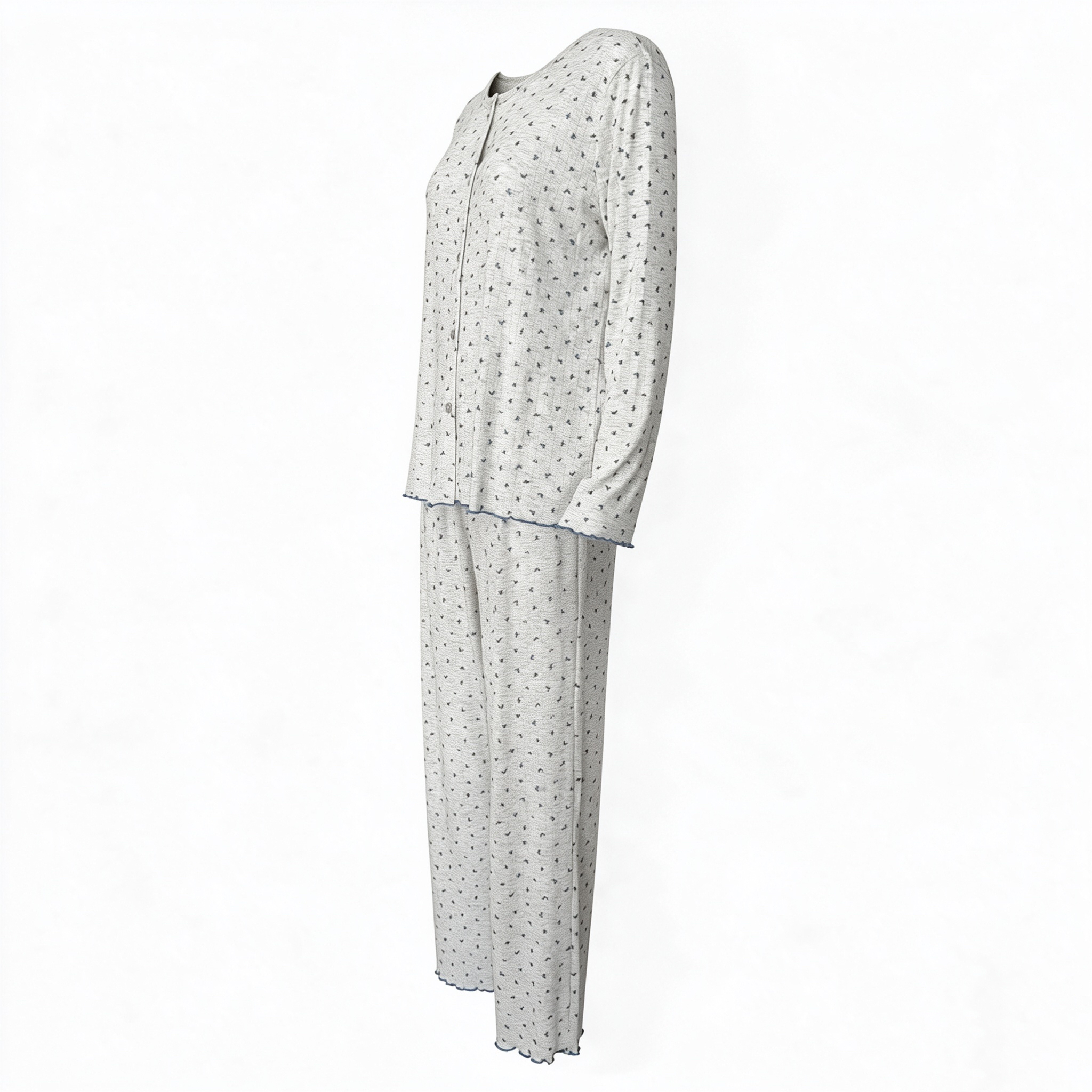
3. How to Make Custom Women’s Loungewear
Women’s loungewear has broader uses than traditional sleepwear. It may be designed for relaxing at home, working remotely, traveling, or casual everyday wear.
This versatility makes fabric selection and fit particularly important. A lounge set should feel comfortable, but it may also need to retain a polished appearance after repeated wear and washing.
Step 1: Define the Loungewear Product Category
Common women’s loungewear products include:
| Loungewear style | Key features | Suitable applications |
|---|---|---|
| Matching lounge set | Coordinated top and bottoms | Lifestyle brands and retail collections |
| Lounge T-shirt and pants | Relaxed fit and everyday comfort | Basic loungewear programs |
| Lounge joggers | Elastic or drawcord waistband, tapered or cuffed legs | Casual and athleisure-inspired collections |
| Wide-leg lounge pants | Relaxed leg shape and fluid drape | Contemporary fashion and travel collections |
| Sweatshirt and jogger set | Warmer fabric and casual styling | Autumn and winter collections |
| Ribbed lounge set | Textured stretch fabric and fitted or relaxed silhouettes | Premium casualwear |
| Lounge dress | One-piece design with relaxed fit | At-home wear and casual lifestyle collections |
| Robe or wrap layer | Open-front construction with a belt or other closure | Layering and coordinated collections |
A useful way to plan a collection is to begin with a core set, then develop complementary pieces using compatible fabrics and colors.
For instance, one coordinated collection might include a lounge T-shirt, wide-leg pants, shorts, and a lightweight robe. Shared colors or fabric options can create a consistent visual identity without requiring every garment to use identical construction.
Step 2: Choose the Right Fabric for Women’s Loungewear
Compared with sleepwear, loungewear often requires a stronger balance between comfort, appearance, durability, and shape retention.
Common loungewear fabrics
| Fabric | Indicative GSM range | Key characteristics | Suitable products |
|---|---|---|---|
| Cotton jersey | 160–220 GSM | Soft, casual, and versatile | Lounge T-shirts, shorts, lightweight pants |
| Cotton-elastane jersey | 180–240 GSM | Stretch with improved recovery when properly constructed | Fitted lounge tops, leggings-style pants |
| Modal or cotton-modal jersey | 150–200 GSM | Smooth hand feel and fluid drape | Premium lounge sets, relaxed pants |
| French terry | 240–320 GSM | Loop-backed structure, often suitable for midweight or heavier casualwear | Joggers, sweatshirts, lounge sets |
| Fleece or brushed knit | 240–350 GSM | Soft brushed interior and a warmer feel | Cold-weather joggers, sweatshirts, winter sets |
| Rib knit | 180–280 GSM | Textured appearance with stretch depending on the construction | Ribbed tops, fitted lounge pants, coordinated sets |
| Waffle knit | 180–280 GSM | Textured surface with a distinctive appearance | Lightweight layers, relaxed sets, seasonal collections |
These ranges are indicative. The appropriate GSM depends on the fiber, construction, garment silhouette, intended climate, and target price.
Which fabric is best for each loungewear requirement?
For lightweight, everyday loungewear: Cotton jersey or cotton blends can be a practical starting point for T-shirts, shorts, and relaxed pants.
For a soft, premium hand feel: Modal and cotton-modal blends may be worth evaluating, particularly for garments that need fluid drape. Confirm wash performance and pilling resistance on the actual fabric.
For structured joggers and sweatshirts: French terry can provide more body than lightweight jersey. The exact weight and loop construction affect the final appearance.
For winter collections: Brushed fleece or other warmer knitted fabrics may be suitable. Evaluate warmth, bulk, pilling, and shrinkage rather than selecting the heaviest option automatically.
For stretch-focused styles: Cotton-elastane or suitable rib knits can support a closer fit. Check recovery after repeated stretching, especially around the knees, hips, and waistband.
For additional fabric-selection context, see PRP Apparel’s loungewear manufacturing guide.
Step 3: Match Fabric Weight to the Garment Silhouette
GSM should be chosen together with the design, not in isolation.
A lightweight, fluid fabric may work well for wide-leg pants but may not provide enough structure for a more tailored jogger. Heavier French terry may suit relaxed pants but add too much bulk to a fitted lounge top.
When developing a sample, evaluate:
- Drape: Does the fabric hang in the intended way?
- Opacity: Is the garment sufficiently opaque under normal lighting?
- Stretch and recovery: Does it return to shape after movement?
- Hand feel: Does it feel comfortable against the skin?
- Dimensional stability: Does it retain acceptable measurements after washing?
- Pilling: Does surface friction create visible fiber pills?
- Durability: Do seams, cuffs, and waistbands remain secure during wear?
If GSM is important to your brand’s quality standard, include the target weight and an agreed tolerance in the technical specification. For example, a buyer may specify a nominal weight of 200 GSM with a ±5% tolerance, provided the mill and manufacturer can meet and verify that requirement.
Step 4: Develop the Fit, Waistband, and Functional Details
Loungewear is often designed for extended periods of sitting, walking, or relaxing, so comfort depends on more than soft fabric.
For lounge pants and joggers, pay particular attention to:
- Elastic width and recovery.
- Drawcord length and attachment.
- Waistband construction.
- Front and back rise.
- Hip and thigh ease.
- Inseam and leg opening.
- Pocket depth and placement.
- Cuffs, side slits, or other design features.
For lounge tops and sweatshirts, confirm shoulder drop, sleeve length, body width, neckline, cuffs, and hem construction.
A common development issue is excessive softness combined with poor recovery. The garment may feel comfortable initially but lose its intended shape after repeated wear. A more suitable fabric construction, improved elastic selection, or revised pattern may solve the problem.
For fitted or ribbed styles, test the garment on an appropriate fit model and check whether the fabric stretches smoothly without unwanted transparency or excessive pressure.
Step 5: Test Durability and Approve the Final Sample
Loungewear may be worn repeatedly and washed frequently. Buyers should therefore evaluate durability as part of product development.
Recommended checks include:
- Measurement comparison before and after washing.
- Pilling assessment using an agreed test method, where required.
- Seam and stitch inspection.
- Waistband and elastic recovery.
- Colorfastness under the intended care conditions.
- Surface appearance after washing and drying.
- Fit and movement checks on the finished sample.
Final approval should cover both the garment’s appearance and performance. Keep an approved reference sample and a complete measurement chart for use during bulk production.
4. The Custom Manufacturing Process for Both Product Categories
Although sleepwear and loungewear have different product requirements, the overall B2B development process follows a similar sequence.
| Stage | What the buyer provides or decides | What the manufacturer does |
|---|---|---|
| 1. Product briefing | Style references, target customer, season, estimated quantity | Reviews feasibility and identifies missing details |
| 2. Specification development | Measurements, material preferences, color, trims, branding | Develops or confirms the technical specification |
| 3. Fabric sourcing | Desired hand feel, weight, composition, price target | Evaluates suitable materials and available options |
| 4. Sampling | Fit comments and design revisions | Makes samples and adjusts the pattern or construction |
| 5. Sample approval | Confirms fit, appearance, material, and details | Records the approved production standard |
| 6. Quotation and order confirmation | Quantity, size breakdown, colorways, packaging, delivery requirements | Confirms price, MOQ, schedule, and production feasibility |
| 7. Bulk production | Approved specifications and purchase order | Produces garments with in-process quality checks |
| 8. Final inspection | Agreed acceptance criteria | Checks finished garments, labels, and packaging |
| 9. Shipment preparation | Shipping instructions and destination requirements | Prepares the order according to the agreed terms |
The timeline varies according to material availability, fabric dyeing or printing, sample revisions, order quantity, and production scheduling. Ask for separate estimates for sampling and bulk production rather than relying on one general lead-time figure.
5. What Information Do You Need to Request a Factory Quotation?
To receive a useful quotation, B2B buyers should provide as much of the following information as possible.
Product information
- Product category and style name.
- Sketches, reference photographs, a tech pack, or a physical sample.
- Desired fit and garment measurements.
- Required sizes and size distribution.
Fabric information
- Preferred fiber composition.
- Target GSM or fabric weight.
- Knit or woven construction.
- Color and print requirements.
- Any specific testing or performance requirements.
Order information
- Estimated quantity per style.
- Number of colorways.
- Size breakdown.
- Required branding, labels, and packaging.
- Target delivery date and destination market.
What determines the price?
Fabric composition, GSM, garment dimensions, design complexity, sewing operations, trims, printing or embroidery, order quantity, and packaging may affect the quotation.
For example, a simple cotton jersey sleep set and a satin pajama set with contrast piping, multiple buttons, and custom packaging involve different material and construction requirements. A heavier French terry jogger set also differs from a lightweight modal lounge set.
There is no reliable universal unit price for either category without the specifications. When comparing factories, make sure the quotations use the same material, measurements, order quantity, branding, and packaging assumptions.
6. Quality Control Checklist for Custom Sleepwear and Loungewear
Agree on quality requirements before bulk production begins.
| Quality checkpoint | Sleepwear focus | Loungewear focus |
|---|---|---|
| Fabric | Softness, breathability, opacity, hand feel | Hand feel, structure, durability, shape retention |
| Measurements | Comfortable fit, adequate ease, correct length | Fit consistency, waistband, rise, sleeve and leg proportions |
| Construction | Smooth seams, secure buttons, comfortable finishes | Seam strength, secure cuffs, pockets, waistband attachment |
| Washing performance | Shrinkage, color change, texture | Shrinkage, pilling, recovery, surface appearance |
| Color | Consistency between panels and garments | Consistency across coordinated pieces and repeat orders |
| Branding | Correct labels, care information, print placement | Correct labels, logo placement, hangtags, size identification |
| Packaging | Correct folding and protection | Consistent presentation and retail-ready packing |
The specific inspection method and acceptable tolerances should be agreed upon with the manufacturer. If the order requires third-party inspection or an AQL-based sampling plan, define the applicable criteria in advance.
Buyers should also confirm labeling, care instructions, and applicable product-safety requirements for their destination market. Sleepwear may be subject to specific flammability or other regulatory requirements depending on the country, product type, and intended wearer. Do not assume that one label or testing requirement applies worldwide.
7. How We Support B2B Sleepwear and Loungewear Projects
At Qingdao Chengyuan Garment Co., Ltd., we provide integrated garment services covering design, pattern making, sample development, and bulk production. Our overall monthly capacity is approximately 80,000–120,000 finished garments, though capacity for a specific sleepwear or loungewear program depends on construction, quantity, and schedule.
We can discuss project requirements for:
- Custom women’s pajama sets and nightwear.
- Nightgowns, sleep shirts, and coordinated sleepwear.
- Women’s lounge T-shirts, pants, and matching sets.
- Joggers, sweatshirts, and relaxed casual styles.
- Private-label branding, labels, and packaging.
- Product development from sketches, tech packs, or reference samples.
To start a project, send your product references, target fabric or hand feel, size range, estimated quantity, color options, and branding requirements. If you have not finalized the material, we can review the intended use and target price with you before the sampling stage.
Frequently Asked Questions
1. What is the difference between women’s sleepwear and loungewear?
Sleepwear is primarily designed for sleeping, while loungewear is intended for relaxing at home and may also be worn for travel or casual activities. The categories overlap, but the intended use should guide the fabric, fit, and construction.
2. Which fabric is best for custom women’s sleepwear?
Common options include cotton, cotton jersey, modal, viscose, satin, silk, and flannel. The best choice depends on the season, target market, desired hand feel, price point, print requirements, and care expectations.
3. Which fabric is best for women’s loungewear?
Cotton jersey is versatile for everyday styles; modal blends drape softly; French terry suits many joggers and sweatshirts; and fleece works for warmer winter garments. Test the final choice against the intended fit and durability requirements.
4. What GSM should I choose for custom pajamas?
There is no single correct GSM. Lightweight woven cotton may be around 90–140 GSM, while many cotton jersey sleepwear styles fall around 140–200 GSM. Use these as initial development ranges, then confirm comfort, opacity, and wash performance on a sample.
5. What GSM is suitable for loungewear?
Many cotton jersey styles use approximately 160–220 GSM, while French terry often falls around 240–320 GSM. The suitable weight depends on the silhouette, fiber composition, season, and intended use.
6. Can I customize fabric composition, colors, prints, and sizes?
These options can often be customized, subject to material availability, manufacturing capabilities, minimum quantities, and the design requirements. Confirm whether custom colors or prints require additional development time or minimum order quantities.
7. What is the MOQ for custom women’s sleepwear and loungewear?
MOQ varies by supplier, style, fabric, color, and production method. Ask whether the minimum applies per style, per color, or to the total order, and confirm the requirements before approving samples.
8. How can I prevent shrinkage and pilling?
Select suitable materials, confirm finishing requirements, and test samples using the intended care process. Agree on dimensional stability and pilling requirements before bulk production instead of relying on fiber names alone.
9. Can I develop matching sleepwear or loungewear sets?
Yes, you can develop matching sets when the materials, colors, fit, and construction are coordinated. Confirm the specifications for each piece and evaluate the complete set before bulk approval.
10. What should I send a manufacturer to start a project?
Send a design reference or tech pack, product category, target fabric, size range, colors, estimated order quantity, branding requirements, packaging details, and delivery target. If some information is not available, identify your priorities so the manufacturer can help clarify the remaining specifications.
Conclusion
Custom women’s sleepwear and loungewear require different product-development priorities, even when both categories focus on comfort.
For sleepwear, buyers should pay particular attention to fabric hand feel, breathability, comfortable construction, and performance after washing. For loungewear, fabric weight, drape, stretch recovery, durability, and shape retention can be equally important.
The most effective B2B sourcing process begins with a clear product brief, continues through material selection and sample approval, and ends with documented bulk-production and inspection standards.
If you are developing a new sleepwear or loungewear collection, prepare your design references, fabric preferences, size range, target quantity, and branding requirements. These details will help your manufacturer evaluate the project and develop products that align with your market and price positioning.
Sources and Further Reading
- Plucky Reach — Pajama Manufacturing and Fabric Selection
- PajamaWorks — Pajama Fabric Sourcing
- PRP Apparel — Loungewear Manufacturer Guide

I am a supplier with 10 years of experience in the apparel industry. As a professional clothing manufacturer, we provide you with a one-stop solution.