
{{{cp11}}}
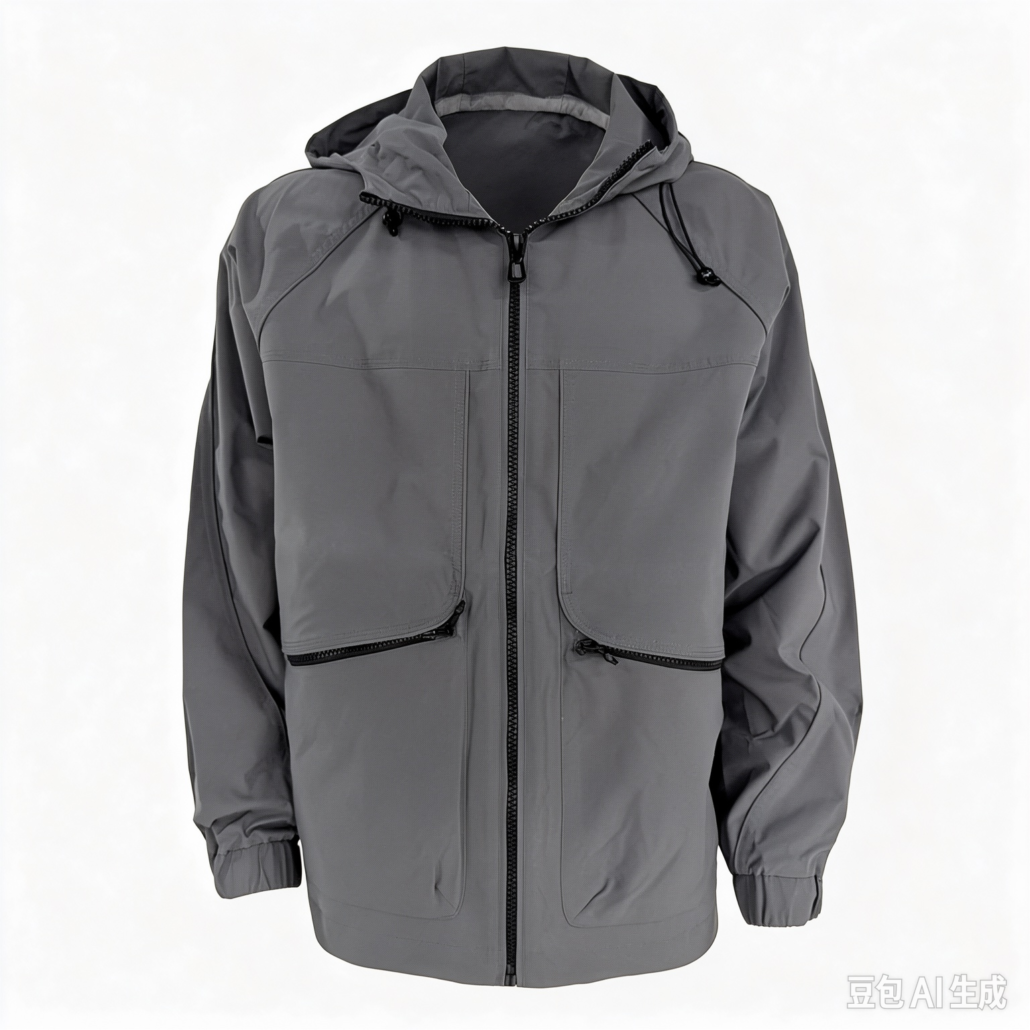
Men’s Outdoor Windproof Jacket
Men’s outdoor windproof jacket with a hood, multiple pockets and a loose, casual fit. It blocks the wind and keeps light rain, dust and dirt on the surface, so it works as the outer layer in spring, over a hoodie in autumn and over a fleece in winter — and it packs small enough to keep in a bag. The hood covers the head and ears when the wind picks up, the full zip has a covered top end, and the pockets are placed so you can reach them with one hand busy: a chest pocket for cards and keys, lower pockets for gloves or a phone, with covered or zipped openings. Cuffs and hem stay in place. Sizes S–XXL. MOQ 100 pieces, sampling 7–10 working days, bulk 25–40 days.
Men’s Hooded Multi-Pocket Windproof Shell Jacket — What It Is, How to Wear It, and How to Wash It
Why this jacket
Most jackets ask you to choose. A smart jacket is too stiff for a hike; a technical shell looks out of place in town; a cheap windbreaker keeps the wind out for one season and then falls apart. This one is built for the middle ground: a hooded shell jacket that is windproof, cut loose enough to layer, and detailed enough to wear every day — with pockets for the things you actually carry and a look that works with jeans as well as with walking trousers.
It is the jacket you keep by the door. Morning walk, commute, weekend hike, festival, campsite, football match, day out with the family. It is not trying to be a fashion piece, and that is exactly why it gets worn.
What “windproof shell” actually means
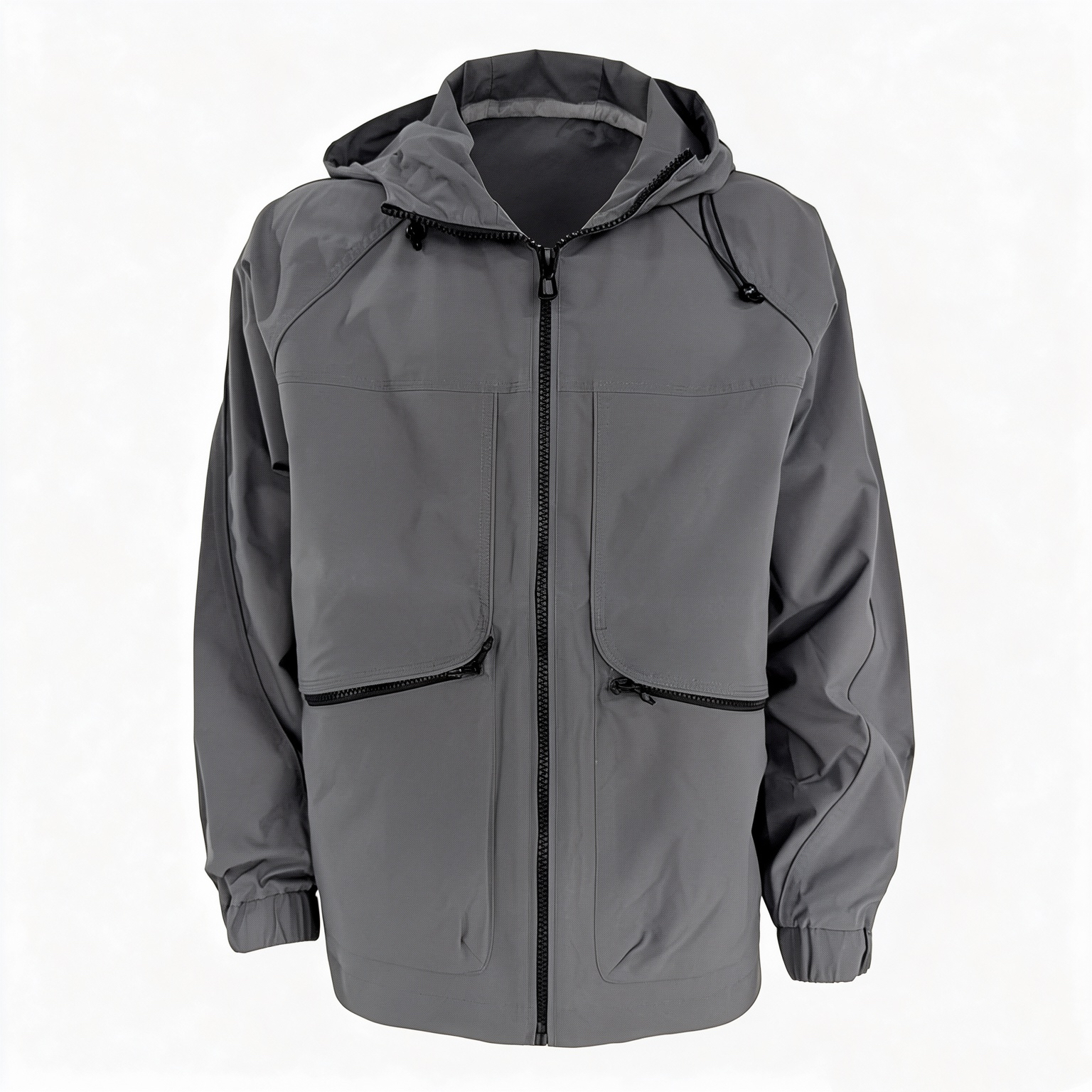
A shell is the outer layer — the part that deals with wind, drizzle and dirt, while the layers underneath deal with warmth. This jacket is a shell in that sense: the fabric blocks the wind, resists light rain, and releases dust and dirt from the surface rather than absorbing it.
It is not a winter coat and should not be sold as one. It is the layer you put on over a T-shirt in spring, over a hoodie in autumn, and over a fleece or a knit in winter. Because it blocks wind, it makes the layer underneath much more effective: a base layer plus this shell is often warmer and far more usable than one thick coat, because you can take the shell off when you go inside.
The details that make it work
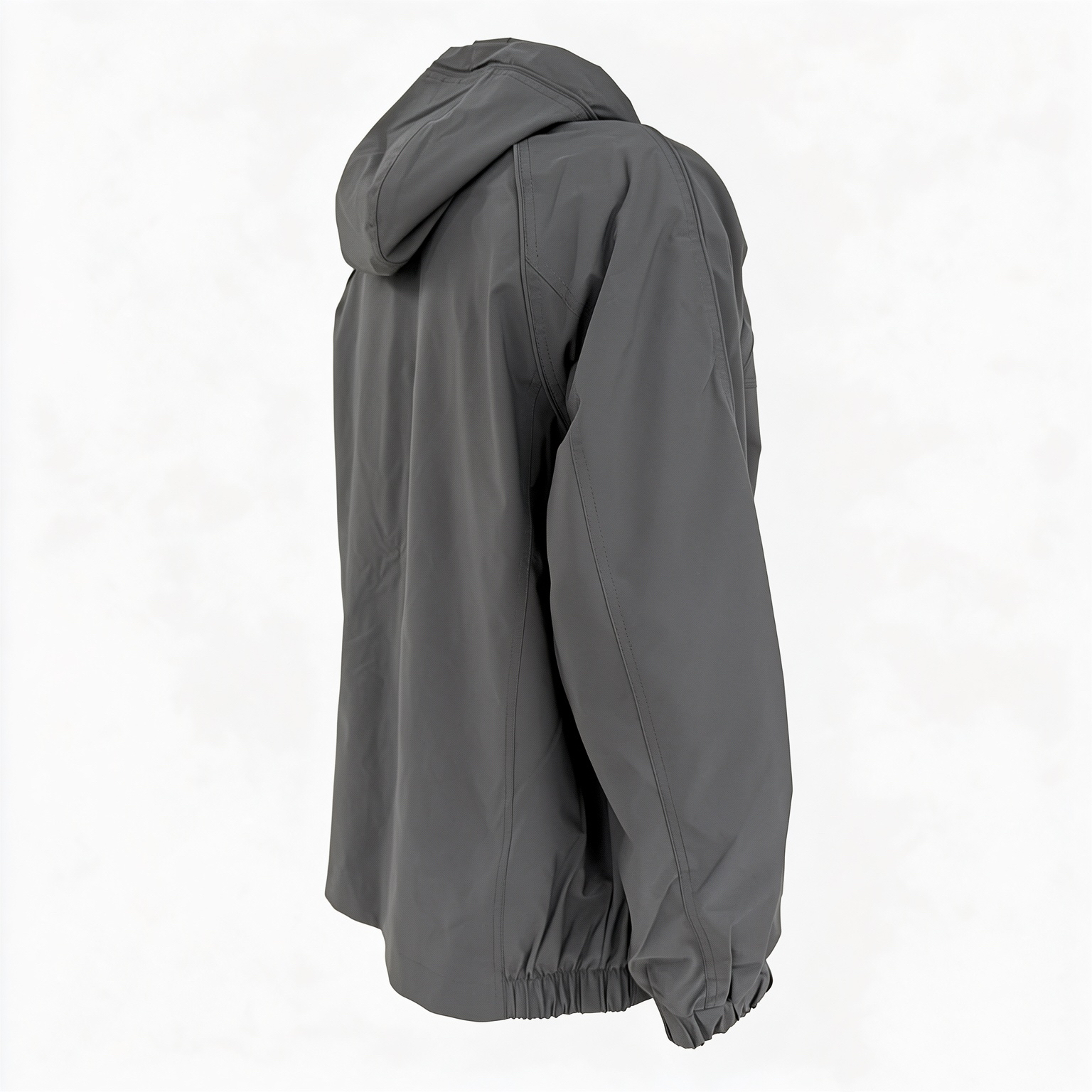
The hood. The hood is cut deep enough to cover the back of the head and to sit over the ears, and it can be worn up or folded back. When it is up, it protects the back of the neck and the ears — the two places where wind gets in — and when it is down, it looks like part of the collar rather than a bundle of fabric at the back.
The zip. A full-length zip with a covered top end lets you open the jacket for ventilation or close it against the wind. The zip is protected from catching on the lining beneath, and it is tested open and closed during inspection, because it is the part of a jacket that gets used most.
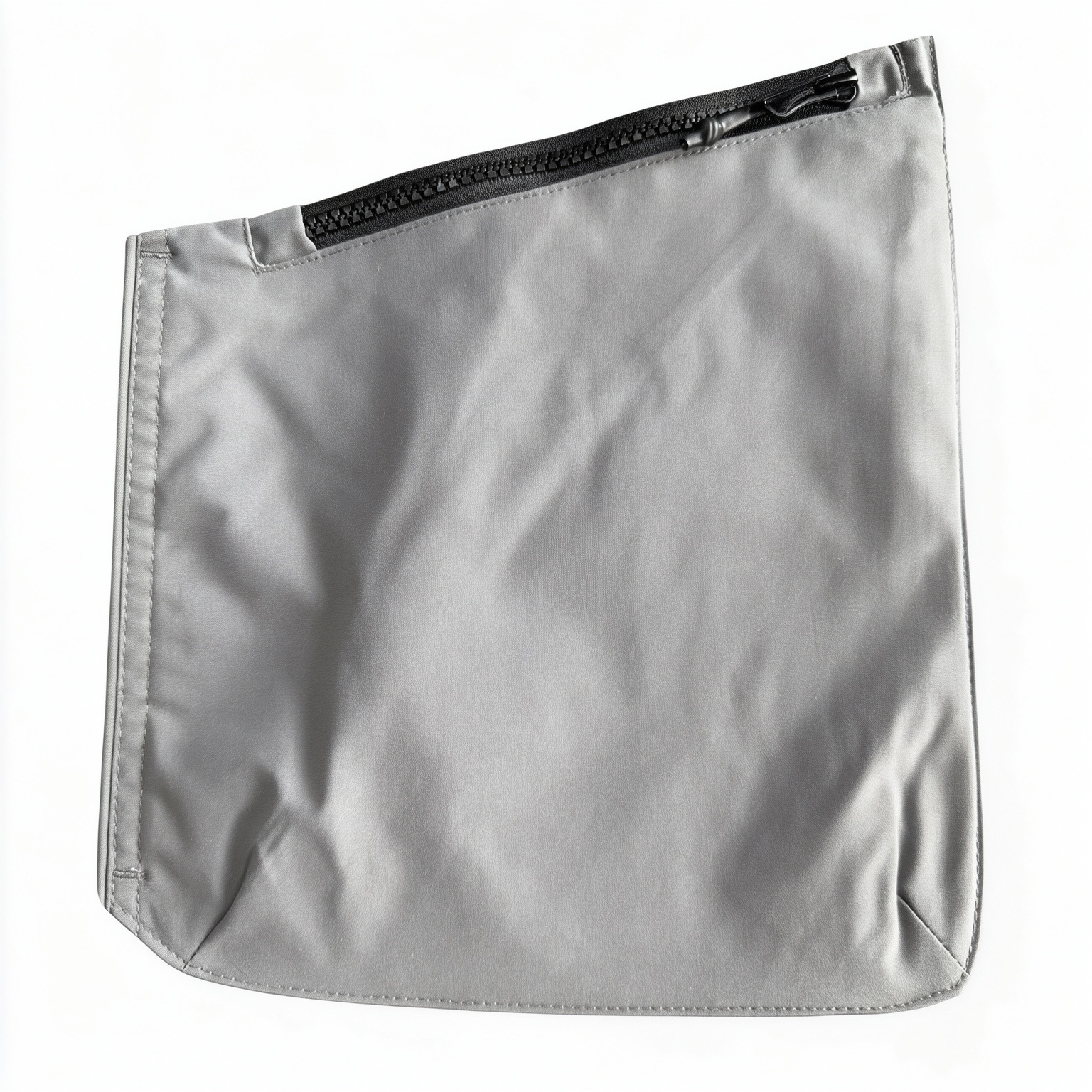
The pockets. This is where the design earns its keep. Multiple pockets are placed so they are reachable with a hand that is already busy: one or two large lower pockets for gloves, a hat or a phone; a chest pocket for cards, keys or a phone you want to reach without unzipping; and the openings are covered or zipped so rain and sand stay out. Pocket corners are bar-tacked and reinforced, because that is where pockets tear first.
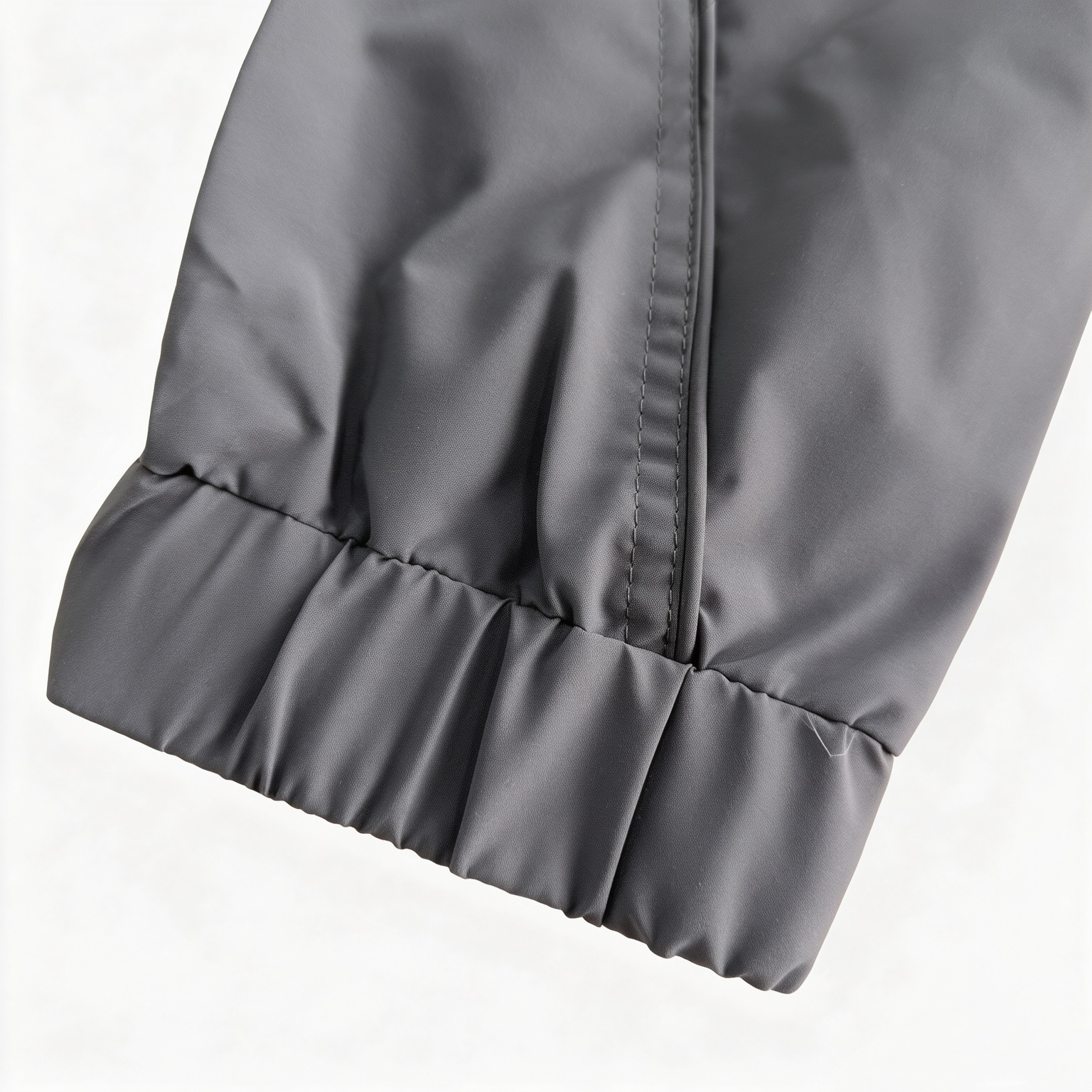
The cuffs and hem. Cuffs are elasticated or adjustable so the sleeve stays at the wrist, and the hem is finished so the jacket does not ride up. Both are checked so the jacket keeps its shape and its wind blocking after a season of wear.
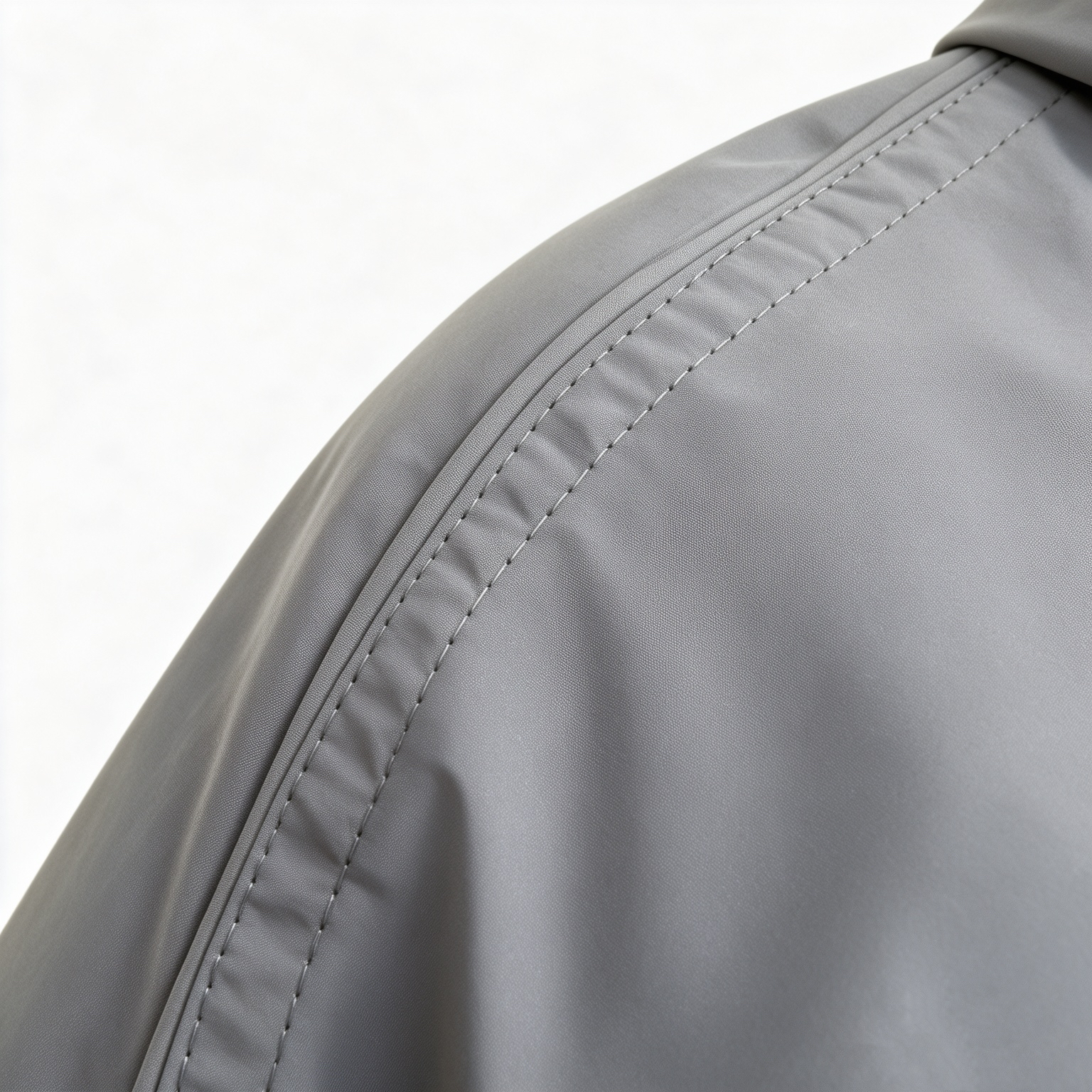
The seams. On a wind shell, the seams matter as much as the fabric: they are the paths that wind and water follow. The seams are overlocked or bound and pressed flat, and the load points — the shoulders, the hood join and the pocket openings — are reinforced.
Fit and sizing
The jacket is cut with a loose, casual body, so it goes over a hoodie or a knit without pulling across the chest. Choose your normal size for a relaxed fit; if you wear it over a thick hoodie or a fleece, take the next size up. Sizing is based on chest width, body length, shoulder width and sleeve length, measured flat without stretching, and the size guide lists both centimetres and inches. The jacket comes in [S–XXL].
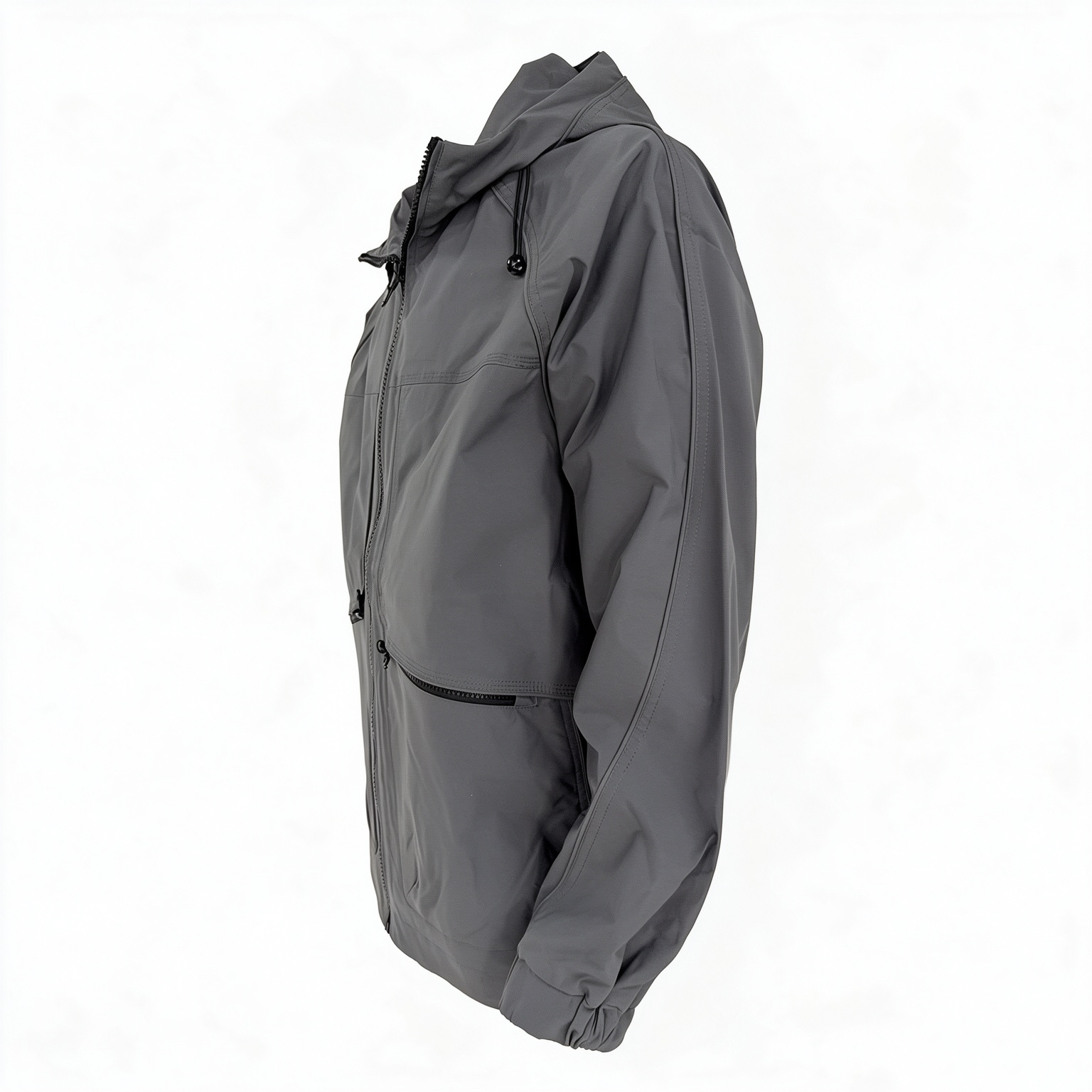
Spring. Spring is the season this jacket was made for: mornings that are cold enough for a jacket, afternoons warm enough to carry it. Wear it over a plain T-shirt with straight-leg jeans or chinos and a pair of trainers or low boots. The colour is easy to pair — if you choose grey or navy, it will sit with almost everything you already own. On the days when rain is forecast, the hood goes up and the pockets carry your phone, keys and a pack of tissues. Occasions: commutes, school runs, weekend walks, travel.
Summer. In the height of summer, a shell jacket is what you take for the evening, not what you wear at noon. Bring it on a hike or a day trip and wear it at the top of a hill or when the sun goes down. It also earns its place on holiday: it folds small enough to sit in a day bag, and it is what you put on for an evening walk or a boat trip. Wear it open over a T-shirt with shorts and trainers, and use the pockets for a phone, sunglasses and a light water bottle. Occasions: hiking, camping, festivals, seaside evenings, travel.
Autumn. This is the busiest season for the jacket. Wear it over a sweatshirt or a hoodie with jeans, joggers or walking trousers, and use the lower pockets for gloves and a beanie before you actually need them. Autumn is also the season for the layering that a shell does best: T-shirt, then hoodie, then jacket — and if the day warms up by lunchtime, take off one layer at a time instead of carrying a heavy coat. Occasions: walks, football matches, camping, commuting, outdoor work.
Winter. In winter, treat it as your outer barrier rather than your warmth: wear it over a fleece, a knit or a quilted mid-layer and it will block the wind that makes a mid-layer feel useless. Choose the size that fits over your thickest mid-layer, keep the cuffs closed and the hem down, and use the hood when the wind picks up. Wear it with thermal trousers or lined walking trousers and boots. Occasions: cold commutes, winter hiking, outdoor work, travel in cold weather.
Three simple outfit formulas
Everyday: jacket + plain T-shirt or long-sleeve tee + straight jeans + trainers. The hood up or down, pockets empty but available.
Weekend outdoors: jacket + hoodie + walking trousers or joggers + trail shoes. Use the lower pockets for gloves and a snack.
Smart casual: jacket + merino knit or a collared shirt + chinos + low boots. In a grey or dark navy colourway, the jacket reads as casual outerwear rather than hiking gear.
Washing and care — how to keep the windproofing
A shell jacket does not need washing often, and washing it the wrong way is the quickest way to lose the wind resistance and the water-repellent finish. Here is the short version, and the reasons behind it.
Day to day. Wipe marks with a damp cloth or a soft brush rather than washing the jacket. Spot-clean the cuffs, the collar and the pocket edges, which are the parts that get dirty first. Hang the jacket to air after wearing it, rather than leaving it in a bag; airing it removes moisture and odour and reduces how often you need to wash it.
Machine washing. When it does need a wash: close all zips and flaps, empty every pocket, remove any detachable parts, and then wash it on a gentle cycle at 30°C. Use a mild liquid detergent, not a powder, and do not use fabric softener or bleach. Fabric softener coats the fibres and blocks the breathability, while bleach damages the finish. Wash it on its own or with similar technical garments — zips and metal buttons in the drum can snag the surface.
Drying. Hang the jacket to dry in a well-ventilated place, away from direct heat and direct sun. Do not tumble dry, and never put it on a radiator or near a heater: heat is what damages the finish and can shrink the fabric. Once it is dry, hang it up rather than folding it into a bag.
Re-proofing. If the water stops beading and the surface starts to soak, the water-repellent finish needs refreshing. Wash the jacket as above, then apply a spray-on water-repellent treatment to the clean, damp surface, following the product instructions, and let it dry naturally. This is normal maintenance for any shell jacket, and doing it once a season will keep the jacket performing for years.
What not to do. Do not dry clean; do not iron; do not use bleach; do not use softener; do not store it wet. Each of these damages either the water-repellent finish, the fabric coating or the seam tape.
Storing it. Store the jacket on a hanger in a dry place, with the pockets empty. If it is packed away for the off-season, make sure it is completely dry first, and check it once or twice through the season.
Questions buyers usually ask
Is it waterproof or water-resistant? It is windproof and water-resistant — it handles wind, drizzle, damp grass and light showers. For prolonged heavy rain, a fully waterproof, seam-sealed version is a different product.
Is it warm? It is a shell, so it blocks wind and rain and lets you use your own layers for warmth. Worn over a fleece or knit, it is warm enough for winter.
Does it fold up small? Yes. It packs down small enough to keep in a day bag or a car door pocket.
Does the hood have a drawcord? [The hood is adjustable / confirmed on the sample], and cord placement follows the safety requirements of the destination market.
100 pieces per colourway, with mixed sizes in one order. Sampling takes 7–10 working days per round; bulk production is 25–40 days after sample approval and deposit. The shell, the coating, the pocket layout, the hood, the labels and the packaging can all be developed to your specification, and carton markings and barcodes are produced to your artwork.


Leave a Reply
Want to join the discussion?Feel free to contribute!