

dog summer dress
A dog summer dress can do more than serve a short warm-weather season. Choose an airy, lightweight sleeveless dog vest dress that leaves the shoulders and front legs free, provides clear, comfortable belly access, and stays stable during walks, sitting, and play. Breathable jersey or a soft cotton blend works well in warm weather, while a slightly denser fabric can support mild spring and early-autumn wear. Fit matters more than size labels alone: measure the neck, chest, and back, then carefully test the neckline, straps, hem, and leg openings in motion. For pet brands, one proven bodice pattern can become a small, coordinated seasonal system through different fabric weights, prints, colors, and coordinated products. Prioritize comfort, wash performance, and repeatable size grading before adding decorative details. Build a tested sample, document every key measurement, and create a collection that feels fresh across seasons while remaining practical for dogs to wear.
Dog Summer Dresses That Work in Spring and Autumn: A Practical Buyer’s Guide
A dog summer dress usually has a short commercial life: it appears with the warm-weather collection, sells through a few bright months, and disappears when temperatures begin to fall. That short window is inconvenient for pet parents and inefficient for pet brands. A better approach is to treat the sleeveless dog dress as a lightweight vest dress rather than a summer novelty. With the right fabric, cut, and development plan, one silhouette can move from late spring into early autumn while remaining comfortable, practical, and easy to sell.
This guide explains how to choose a breathable dog summer dress for changeable weather, what makes a dog cami dress comfortable in motion, and how private-label pet brands can build a more versatile collection without overcomplicating production. For buyers sourcing through a custom pet clothing manufacturer, the goal is not simply to offer more colors. It is to turn seasonal details into a repeatable product system.
The short answer: design for the weather, not the calendar
A dress labeled “summer” does not automatically become unsuitable in September, just as an autumn print does not make a heavy garment appropriate for a warm afternoon. The useful questions are:
- Is the fabric light enough to avoid trapping heat?
- Does the garment allow a natural walking stride and easy urination?
- Do the straps, seams, and skirt details stay comfortable during movement?
- Is the dress easy to put on, remove, wash, and inspect?
- Can the design be offered in a lighter and slightly warmer fabric version?
Those questions matter to pet parents choosing an outfit and to product teams deciding what belongs in the next pet clothing collection. They also reveal a clear gap in many generic shopping pages, which tend to describe a dress as “lightweight and cute” without explaining how those qualities are engineered.
Why a lightweight dog vest dress can work across seasons
Spring and early autumn are transition periods, not single climates. A morning may call for a light layer, while midday can feel closer to summer. Dogs also regulate heat differently from people. Clothing that is too heavy, tight, or poorly ventilated can add discomfort, so the safest transitional wardrobe is adjustable rather than overly insulated.
A well-developed dog cami dress works because it covers a limited part of the body. The sleeveless bodice leaves the shoulders and front legs free, while an attached skirt adds a recognizable dress silhouette without weighing down the whole garment. That makes it useful for:
- cool indoor spaces and mild outdoor mornings;
- short walks, café visits, family photos, and seasonal events;
- light coverage on dogs that move comfortably in clothing;
- brands building spring, vacation, back-to-school, and early-autumn capsules.
It is not a substitute for a raincoat in wet weather, a cooling product during extreme heat, or a winter coat in cold conditions. Its advantage is versatility within mild conditions, not protection in every climate.

Start with construction: what separates a wearable dress from a photo-only outfit
A sleeveless bodice should stay stable without pulling
Removing sleeves can improve freedom of movement, but it also changes how the garment stays in place. The neckline, chest band, and straps must work together. A neckline that is too wide may slip over one shoulder; a strap that is too narrow may roll or create pressure; a bodice that is too long may bunch near the front legs.
The best construction is usually simple: a smooth binding or soft elastic finish, stable strap placement, and enough stretch to follow the dog’s shape without compressing the chest. Decorative bows and ruffles should be anchored securely and kept away from areas that rub during walking.
The belly opening needs more attention than the skirt
Photographs tend to emphasize the skirt, but a clean belly opening is what makes the garment practical. It should allow the dog to urinate without wetting the fabric and should not sit directly against the inner leg at every step. For active dogs or long-bodied breeds, a higher-cut opening and a carefully tested back length often matter more than an elaborate trim.
Every edge needs a movement test
Before approving a sample, assess it during standing, walking, sitting, lying down, and turning. Check whether the skirt twists, the bodice rides upward, a strap slips, or the hem catches on the dog’s legs. A garment can look correct on a static fit mannequin and still fail the first real walk.

Choose fabric for the actual wear window
There is no universal “best” fabric for a dog summer dress. The right choice depends on climate, price point, print method, care expectations, and whether the garment is intended for warm midday use or cooler transitional mornings.
| Wear context | Sensible fabric direction | What to verify |
|---|---|---|
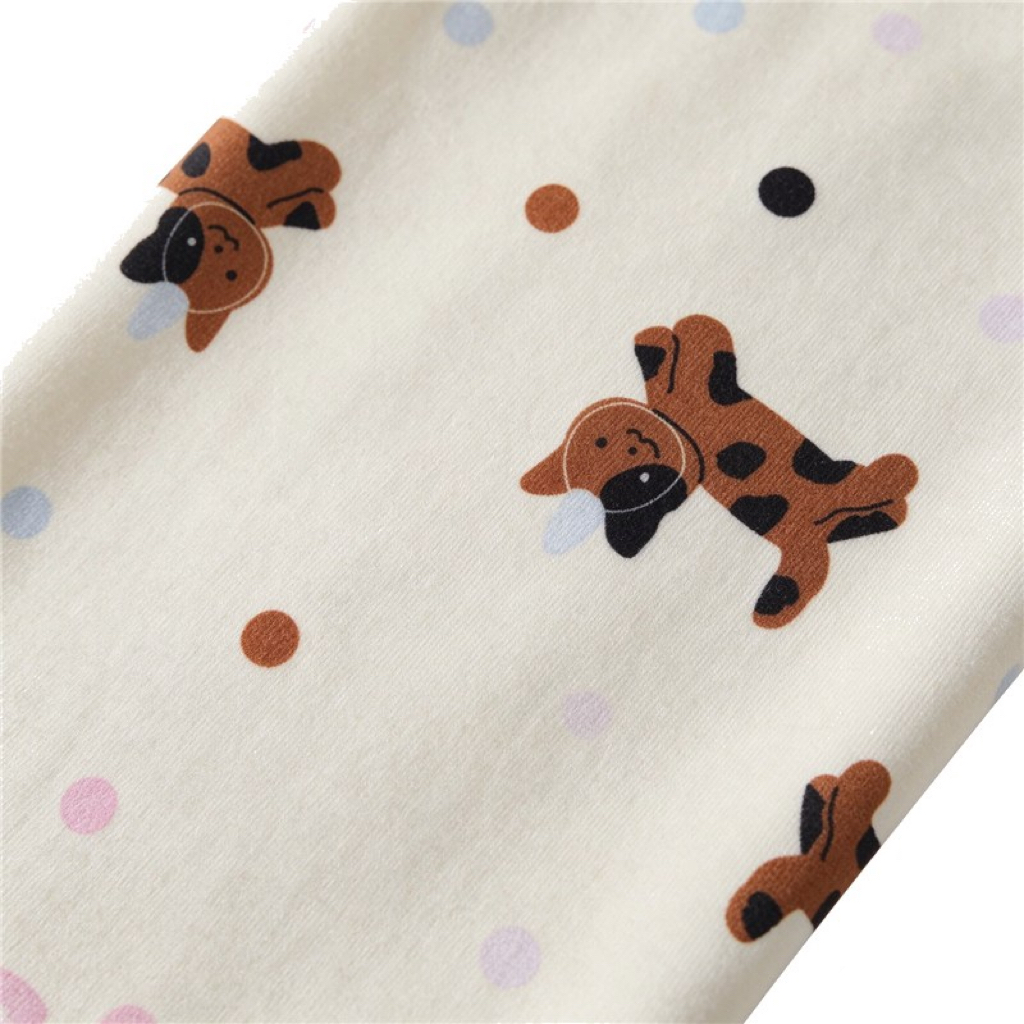
| Warm spring and summer | Lightweight cotton jersey, soft cotton blend, or another smooth, airy knit | Breathability, stretch recovery, shrinkage, and seam comfort |
| Cool spring or early autumn | Fine-gauge soft knit, brushed cotton blend, or a slightly denser jersey | Enough structure without bulk at the leg openings |
| Photo or event collection | Soft woven fabric or a stable jersey with a clean drape | Snag resistance, print alignment, and trim attachment |
| Wet or rainy weather | A separate dog rain jacket | Water resistance, leash access, and coverage without trapped heat |
| High-exposure outdoor use | A dedicated dog sun-protection shirt | Fit, ventilation, and appropriate fabric claims |
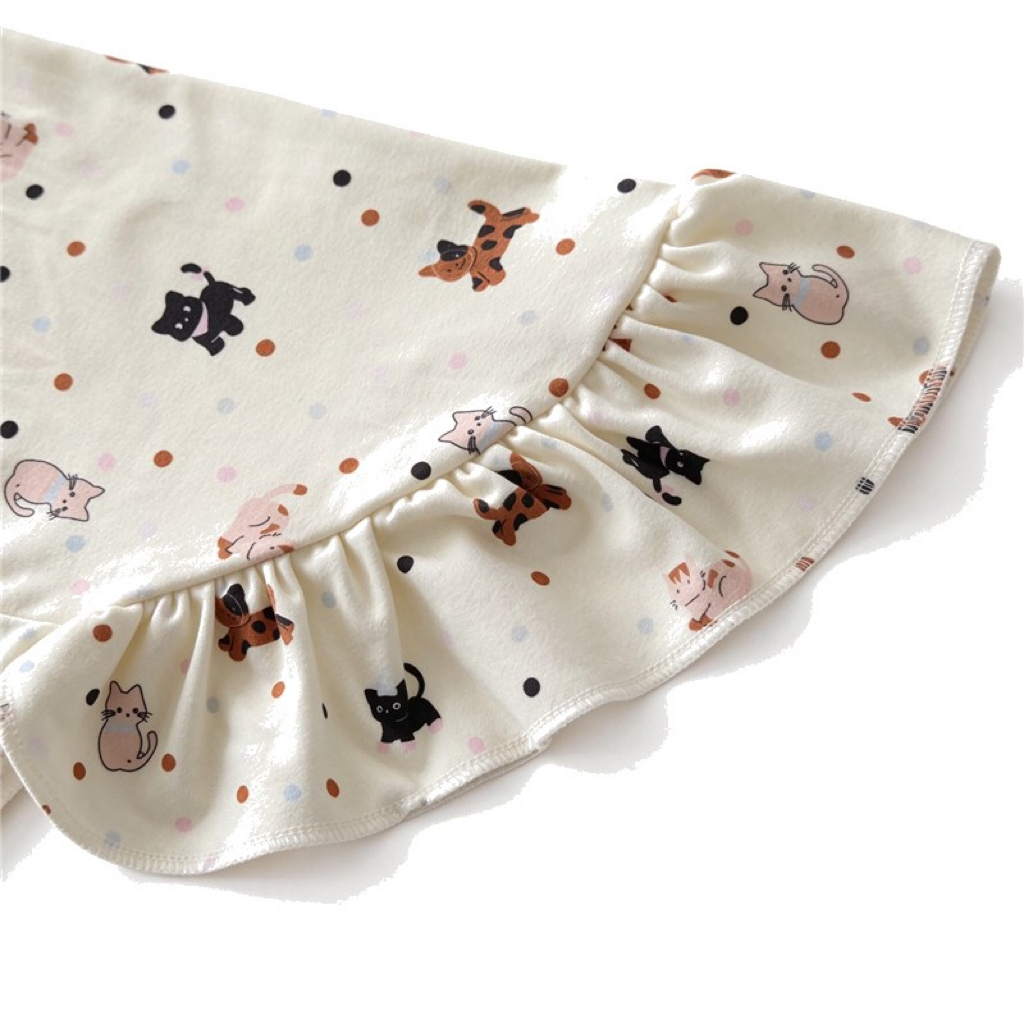
Avoid specifying a fabric solely because it sounds premium. A crisp linen-looking print may irritate the skin if the reverse side is rough. A heavy canvas skirt may photograph well but become unnecessary weight during movement. An open knit could catch on claws and jewelry-like trims. The smoother side should sit against the dog, and the garment should remain flexible around the chest and front legs.
For repeat production, test wash shrinkage, colorfastness, pilling, seam stability, and print durability before bulk approval. A fabric that changes after three washes creates sizing and return problems across the entire collection.
Fit the dog first, then the size chart
Three measurements are essential: neck circumference, chest girth behind the front legs, and back length from the base of the neck to the base of the tail. For a dress, add practical checks for belly clearance, front-leg movement, and whether the skirt reaches an area that catches during walks.
Weight alone is not a reliable size guide. A French Bulldog and a Dachshund may weigh similarly but need very different proportions. A slender whippet may need a longer back, while a broad-chested pug may need more chest room without extra length. Use a detailed dog clothes size chart by breed as a starting point, then confirm with a step-by-step guide to measuring a dog for clothes.
For pet brands, the commercial version of good fit is consistent grading. A prototype that fits one size is not enough. Review every size on the intended range, compare circumference increments, and record adjustment notes before bulk production. Fit consistency reduces returns and gives customer service teams a clear basis for sizing advice.
How to use the same dress idea from spring to autumn
The easiest way to extend a collection is not to force one garment into every temperature. Build a small, coordinated range around one successful silhouette:
- Warm-weather version: Use an airy jersey, shorter skirt, and lighter trim package. Keep the outfit open at the shoulders and avoid unnecessary layers.
- Transitional version: Keep the same bodice pattern but choose a slightly denser, softer fabric. Change the print and color direction rather than adding bulky construction.
- Active-dog variation: Introduce a simpler dog vest when skirt movement is not appropriate for the dog or occasion.
- Hot-weather extension: Add a dog cooling vest as a functional product, not as a claim that a fashion dress provides cooling.
- Cooler-weather extension: Offer a dog sweater for days when a sleeveless dress is simply too light.
- Outdoor-dog option: Use a dog four-leg jumpsuit when greater body coverage and movement stability are the priority.
This creates a more credible wardrobe and a better merchandising story. Customers can understand the difference between fashion, mild-weather comfort, cooling, and outdoor coverage without being asked to believe that one dress does everything.
What this means for pet brands and private-label buyers
The strongest commercial opportunity is not another generic seasonal print. It is a small, well-defined system that is easy to sample, merchandise, and repeat.
Use one silhouette as the base
Develop a bodice and skirt proportion that fits the intended customer group, then create controlled variations: two fabric weights, three to five prints, a small color range, and optional branding. Keeping the base pattern stable makes it easier to compare samples, plan inventory, and add future drops.
Build around a real use case
Separate the line into clear purposes: everyday lightweight dresses, event dresses, warm-weather cooling products, rain protection, and cooler-weather knitwear. This makes product pages easier to understand and helps buyers avoid choosing items that look similar but perform differently.
Plan samples around the full size range
Approve the smallest and largest sizes, not only the middle size. Check how the belly opening, strap length, chest allowance, and skirt length change through the grade. If the brand serves breeds with very different body shapes, consider more than one fit block instead of stretching a single pattern across the whole range.
Make customization practical, not decorative
Fabrics, prints, labels, hangtags, and packaging can all support a brand identity. They should not hide unresolved fit or construction problems. Establish the functional sample first, then finalize brand details. A practical introduction to the category is available in this guide to starting a dog clothing business.
A sample checklist for dog cami dresses
Before approving a production sample, document the following:
- flat sketch, reference image, and intended use;
- neck, chest, and back measurements for every size;
- fabric composition, weight direction, stretch, and care method;
- belly-opening depth and front-leg clearance;
- strap width, placement, join strength, and adjustment method;
- skirt length, lining, seam finish, and trim attachment;
- print scale, repeat placement, and color matching on the actual fabric;
- wash shrinkage, pilling, colorfastness, and print durability;
- folding, labeling, hangtag, and retail packaging requirements;
- approved wear-test notes for movement, potty access, and easy removal.
These details turn a visual concept into a product another team can reproduce. They also reduce the risk of discovering a comfort issue only after the order has been packed.
FAQs about dog summer dresses for spring and autumn
Is a dog summer dress suitable for autumn?
A lightweight dress can be suitable in mild autumn conditions if the fabric is soft, the fit is comfortable, and the dog is not showing signs of overheating or restriction. For cooler days, choose a slightly denser fabric or a different knit product instead of forcing extra layers under a fitted dress.
Are sleeveless dog dresses practical?
Yes, when the belly opening and leg clearance are well designed. A sleeveless bodice can reduce bulk around the shoulders, but the straps and neckline still need testing in motion. The dress should never be used in place of shade, water, or appropriate weather protection.
What fabric is best for a breathable dog dress?
A smooth, lightweight jersey or soft cotton blend is often a practical starting point. The exact choice should be based on climate, print method, care requirements, and target price. Ask for physical samples and test shrinkage and comfort before committing to bulk fabric.
How do I choose a size?
Measure the neck, chest behind the front legs, and back length. Then compare those measurements with the supplier’s size chart and check belly clearance. Weight alone can mislead, especially with broad-chested or long-bodied dogs.
Can a pet brand order custom dog dresses in small batches?
Yes. A viable small-batch process should define the style, fabric, size range, branding, sample approval points, minimum order quantity, production time, and packaging. Share a sketch, reference sample, target measurements, and intended retail price when requesting a quotation.
The bottom line
A dog summer dress is most valuable when it is treated as a lightweight, seasonal garment with a clear purpose rather than a disposable fashion item. Prioritize airflow, movement, belly clearance, and dependable fit. For brands, extend the concept through coordinated fabric weights and complementary product types instead of adding unnecessary layers to one dress.
That approach creates a collection that feels fresh across spring, summer, and early autumn while remaining practical for the dogs wearing it. Pet brands and private-label buyers can review the dog cami dress customization page or contact Chengyuan Garment with a reference image, target size range, and fabric direction to begin sampling.


Leave a Reply
Want to join the discussion?Feel free to contribute!