
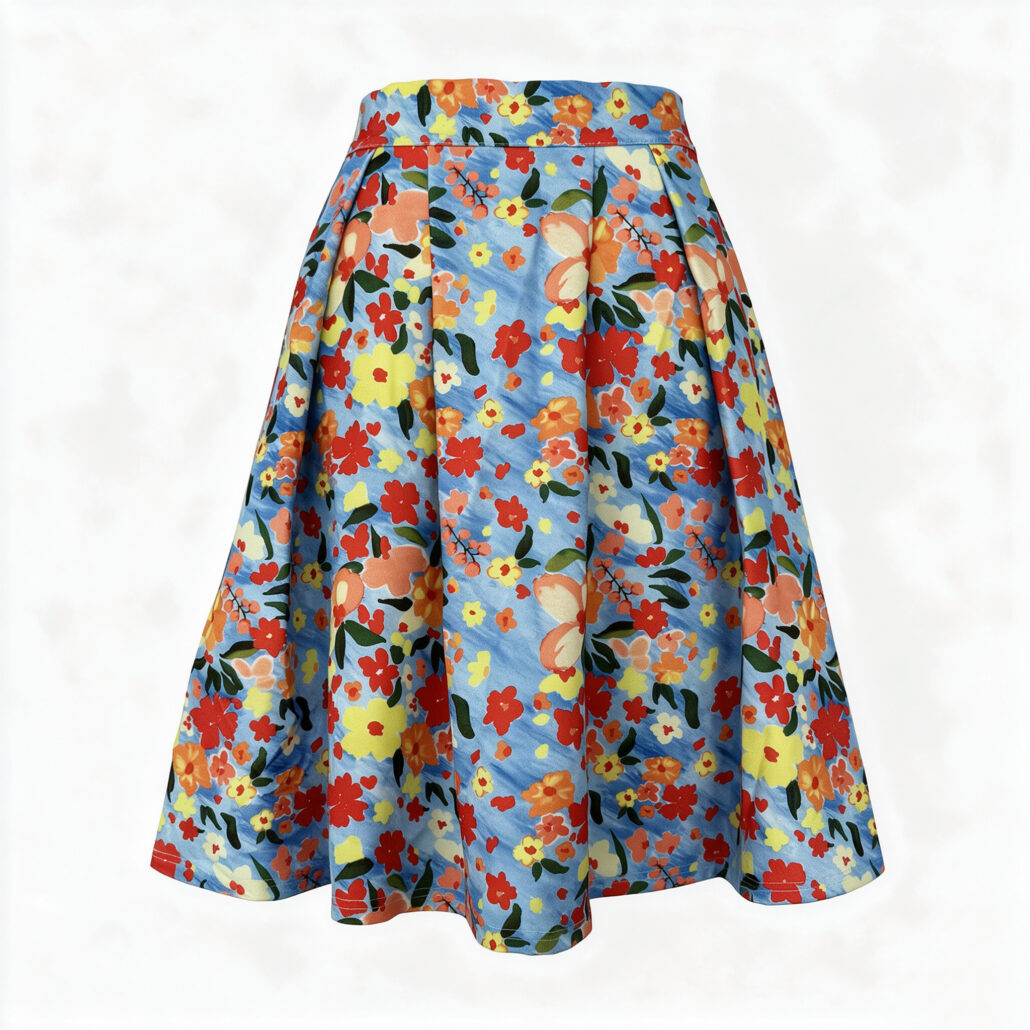
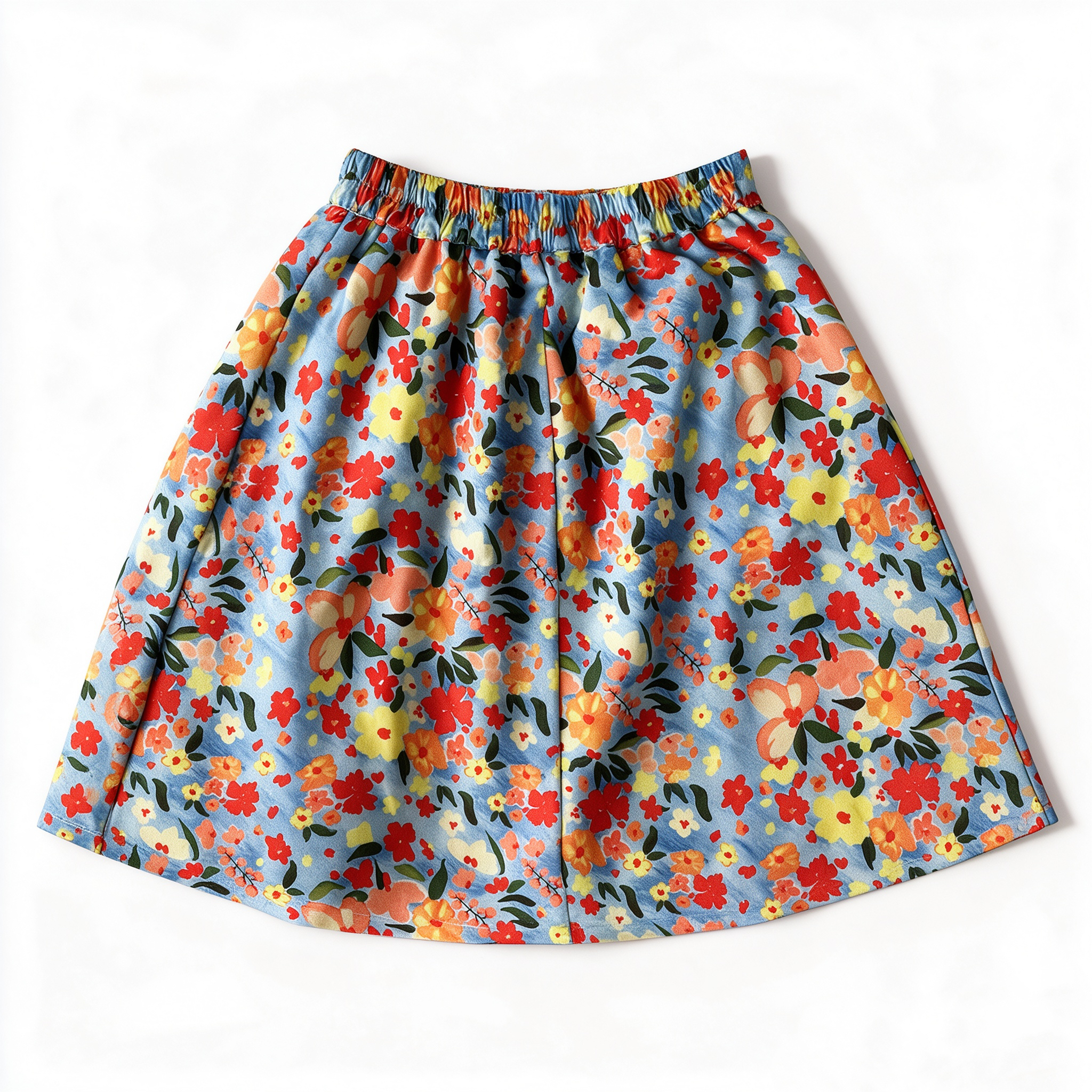
Women knitted skirt
A women’s knitted skirt can look effortless in the fitting room and feel very different after a day of sitting, walking, and washing. The difference is rarely just the trend. It comes from how length, silhouette, yarn, knit structure, waistband construction, stretch recovery, and opacity work together. A soft, fluid knit may create beautiful drape, yet it may not hold the clean line of a straight skirt. A dense rib may keep its shape better, but it can also feel too warm or heavy for summer. This guide connects those everyday wearing experiences with the technical choices behind them. Shoppers will learn how to compare fit, styling, care, and comfort, while fashion brands and buyers will see how to translate a chosen look into a clear sample specification and a more consistent bulk production standard. It also identifies the details that often separate a retail success from an avoidable return.
Women’s Knitted Skirt Guide: Length, Fabric, Fit and Sourcing Decisions
Two knitted skirts can look almost identical on a hanger and behave like different products after an hour of wear. One returns to its original line after sitting, while another twists at the waist, clings across the hips, or grows longer toward the hem. For a shopper, those differences determine comfort and cost per wear. For a fashion brand, they affect fit approval, return rates, and whether a style can be produced consistently across sizes and colors.
The right choice therefore starts with more than a trend or a product photograph. Length, silhouette, yarn, knit structure, stretch recovery, waistband construction, opacity, and finishing all need to work together. This guide follows that complete decision path. It explains how to choose a women’s knitted skirt for real life and how apparel teams can translate the chosen direction into a clear, production-ready specification.
As a private-label knitwear manufacturer working across design, sampling, and bulk garment production, Chengyuan Garment sees both sides of this process: the questions customers ask at the point of purchase and the technical details that determine whether the finished skirt performs as promised. Our women’s knitted skirt manufacturing service supports customizable lengths, silhouettes, waistbands, fabrics, labels, and packaging.
Start With the Job the Skirt Needs to Do
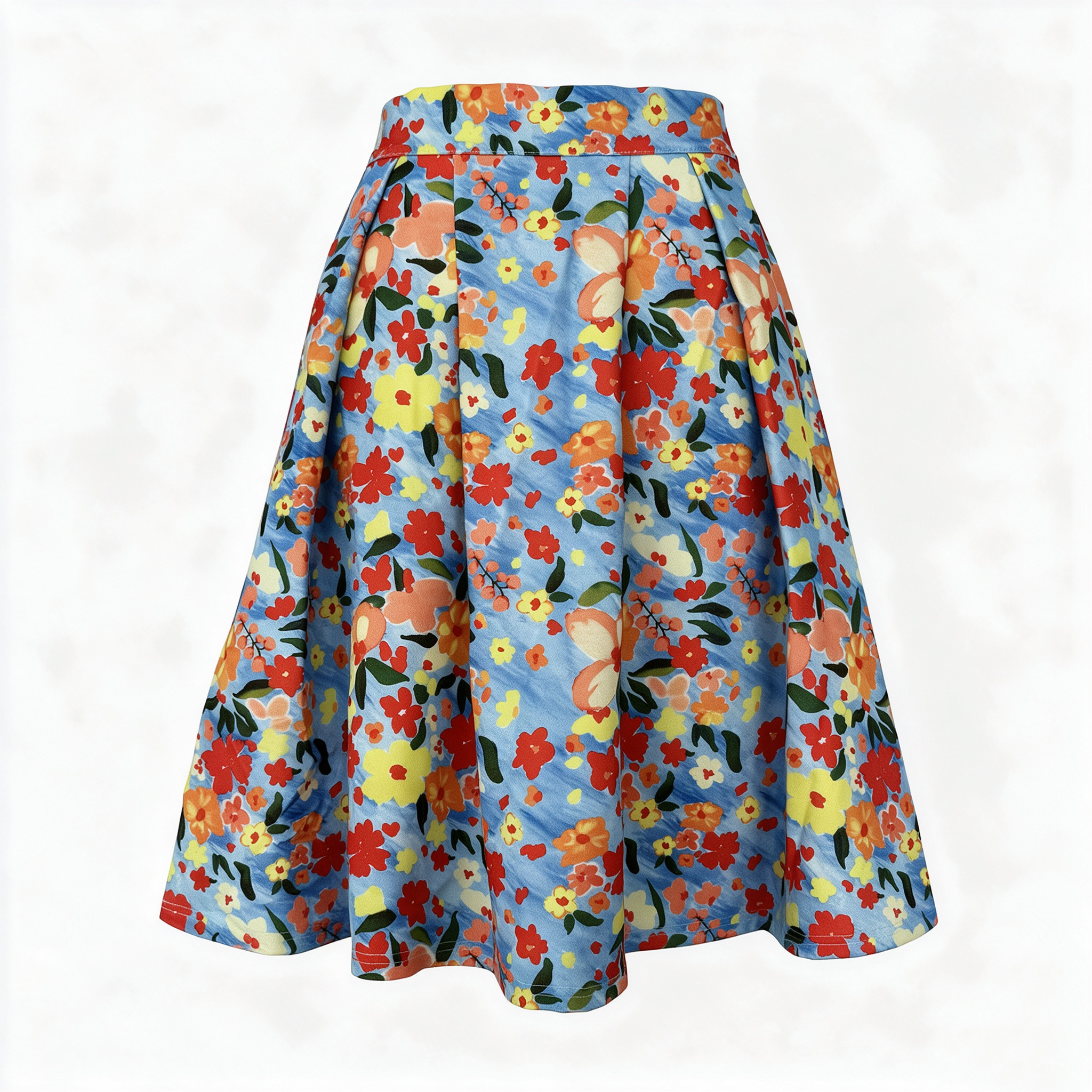
Before comparing individual styles, define where and how the skirt will be worn. An office midi, a weekend A-line, a fitted evening skirt, and a cold-weather maxi may all belong to the same product category, but they require different balances of structure, softness, coverage, and care.
For consumers, useful questions include:
- Will the skirt be worn mainly indoors, outdoors, or across both environments?
- Does it need to work with tights, leggings, boots, sandals, or a tucked top?
- How much freedom of movement is required while walking, sitting, commuting, or climbing stairs?
- Should the finish look polished enough for work, or relaxed enough for everyday casual wear?
- Is the fabric expected to tolerate frequent machine washing, or is the garment part of a more carefully maintained wardrobe?
For brands, the brief should also identify the target customer, market, retail price, sales channel, size range, season, order plan, and required care level. These choices are commercial, but they have direct technical consequences. A soft, fluid knit may produce beautiful drape; it may not have enough body for a sharply tailored pencil silhouette. A dense rib may hold its shape well; it can also be too warm or too heavy for a lightweight summer collection.
A useful starting point is therefore a short use-case statement rather than a single reference image. For example: “A machine-washable, opaque A-line midi for warm-weather office wear, using a smooth cotton-blend knit, with an elasticated self-fabric waistband and a size range from XS to XXL.” That sentence already points toward specific fabric, construction, and testing decisions.
Choose the Length by Proportion, Movement, and Coverage
Mini knit skirt
A mini knitted skirt is usually the most casual and youthful length. It works best when the knit has enough body to avoid riding up and sufficient recovery to stay close to the body without feeling restrictive. When evaluating a mini, check coverage while standing, walking, sitting, and climbing stairs. Consider whether the design needs an integrated inner layer, secure shorts, or a slightly longer front or back panel.
The visual balance matters too. A fitted mini may pair naturally with a relaxed shirt, a fine-knit top, or an oversized cardigan. If the top is also bulky, the whole outfit can feel heavier than intended. This is a styling point, but it can influence product development: a brand may decide to merchandise the skirt with a lighter top rather than a chunky sweater.
Knee-length and midi
Midi lengths are often the most versatile because they can move between casual, office, and evening contexts. However, “midi” is not a precise specification. Two skirts labeled midi may end above the calf, below the knee, or close to the ankle depending on the brand and model height.
Retail product pages should state the actual garment measurement from waist to hem, plus the model’s height and size where possible. Brands should also define the measurement point and whether the length is recorded with the garment relaxed or hanging. Knitted fabric may settle under its own weight, especially in a long silhouette, so a relaxed flat measurement alone may not reflect the worn length.
Midi skirts are particularly sensitive to balance. A straighter cut can look formal, while an A-line cut feels easier and more forgiving. A side slit can improve stride length, but it also concentrates stress at the opening. The slit length, reinforcement, and hem finish should be agreed during sampling rather than treated as a last-minute detail.
Maxi and longline skirts
A maxi knitted skirt offers coverage and a strong visual line, but its weight changes how the fabric behaves. A heavy yarn can make a long skirt feel substantial and warm; it can also cause the hem to pull downward while hanging. A lighter, denser knit may create a cleaner result, but opacity and seam stability still need checking.
For everyday movement, consider a modest side or back vent, a slightly tapered hem, or a construction that gives the wearer enough room to walk confidently. If the skirt is intended for colder climates, a lining may improve comfort and reduce cling. If it is designed for warm weather, compare the lining’s contribution to heat against the opacity gained.
The most useful rule is not “longer is always more elegant” or “shorter is always more current.” The right length is the one that supports the intended use, the target customer’s movement, and the garment’s construction.
Match the Silhouette to the Knit’s Behaviour
Silhouette is often described as a visual choice. In knitted skirts, it is equally a performance choice. The fabric has to support the line while the wearer moves, sits, stretches, and returns to standing.
A-line skirts
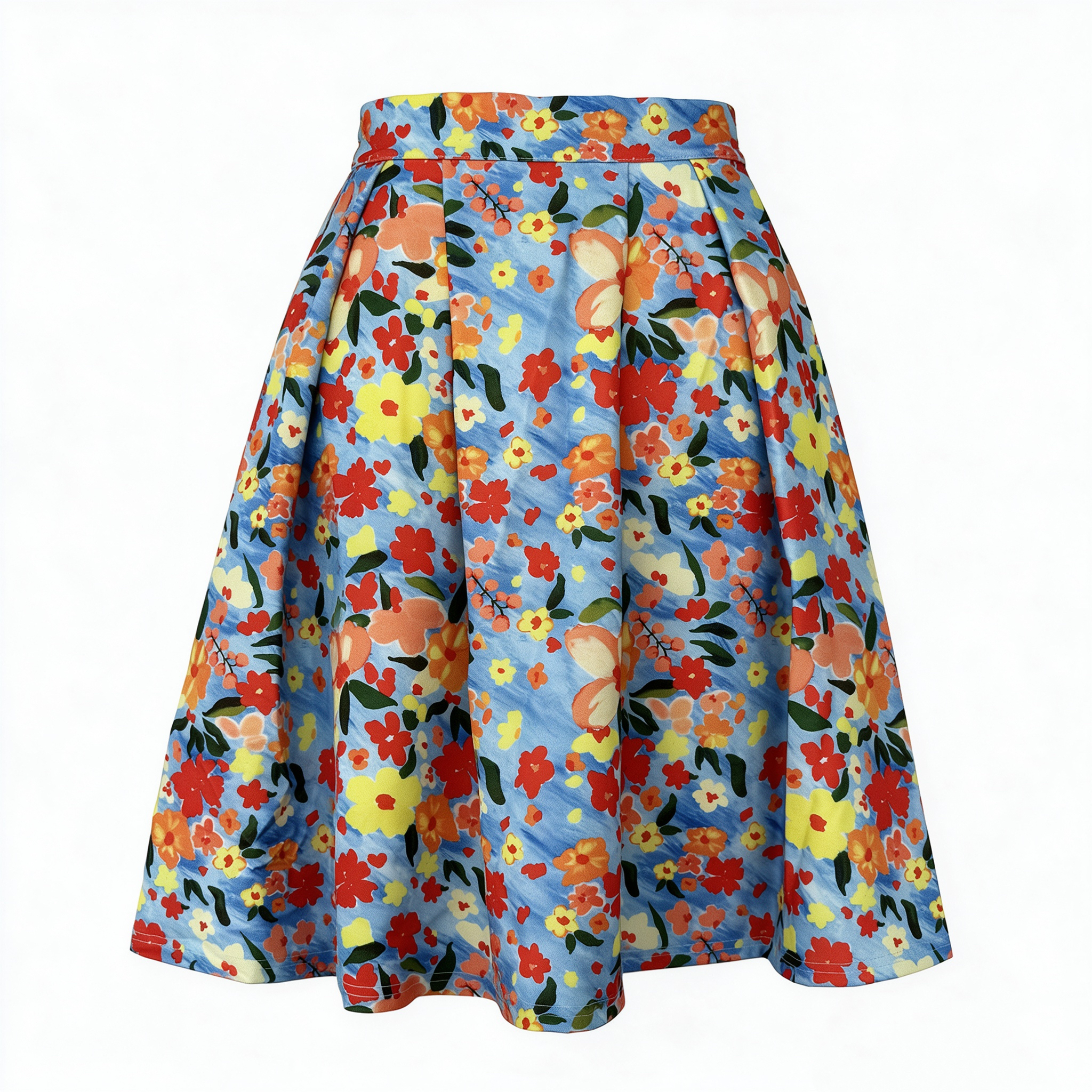
An A-line skirt is fitted at the waist and opens toward the hem. It is generally easier to wear than a close-fitting pencil because it skims rather than compresses the hip area. It can also be produced in a broader range of knit weights because the garment is not under as much lateral tension. A gentle A-line in a fine-gauge knit can feel fluid, while a heavier rib can create a more sculptural shape.
For a first knitted skirt range, an A-line midi is often a useful commercial anchor. It brings together a familiar silhouette, broad size potential, and less demanding fit precision than a bodycon style. The main risks are hem width, length stability, and waistband balance: if the waistband is too soft, the skirt may rotate; if the yarn is too fluid, the line may collapse.
Straight and pencil skirts
A straight or pencil skirt creates a cleaner, more tailored outline. Knit construction can add comfort and stretch compared with a woven pencil skirt, but it does not remove the need for structure. The yarn and stitch need enough density and recovery to hold a smooth line through the seat and thigh area.
A narrow silhouette should be tested on a moving body, not only measured flat. Sit down, walk a normal stride, and check whether the skirt rides up, twists, or pulls at the side seams. A back vent or slit may be necessary for movement, but the opening should be supported so that it does not distort during wear.
Bodycon and ribbed skirts
A bodycon skirt follows the body closely from waist to hem. It can look modern and intentional when the knit is dense, elastic, and able to recover. A lightweight, open knit may fit like a bodycon on the hanger yet lose its shape quickly in wear.
For this silhouette, opacity and seam stress deserve special attention. Check the garment in daylight with the intended undergarments, not only under studio lighting. A lining may be appropriate for some colors and markets; for others, a denser knit or double-layer construction may solve the issue more cleanly. The waistband must also resist rolling and slippage because there is less ease elsewhere in the garment.
Flared, pleated, and swing shapes
Flared and pleated knitted skirts add movement and visual texture. Pleats require a knit or finishing process that can maintain a consistent fold; a soft jersey may look like a series of loose ripples rather than a defined pleat. Flared styles need enough weight to fall cleanly without becoming heavy, and enough recovery to avoid a stretched hem after sitting.
These silhouettes can be strong differentiators in a collection, but they are not the simplest first sample. Before committing to a full size run, confirm pleat or flare stability, waistband behavior, and surface consistency from one production lot to another.
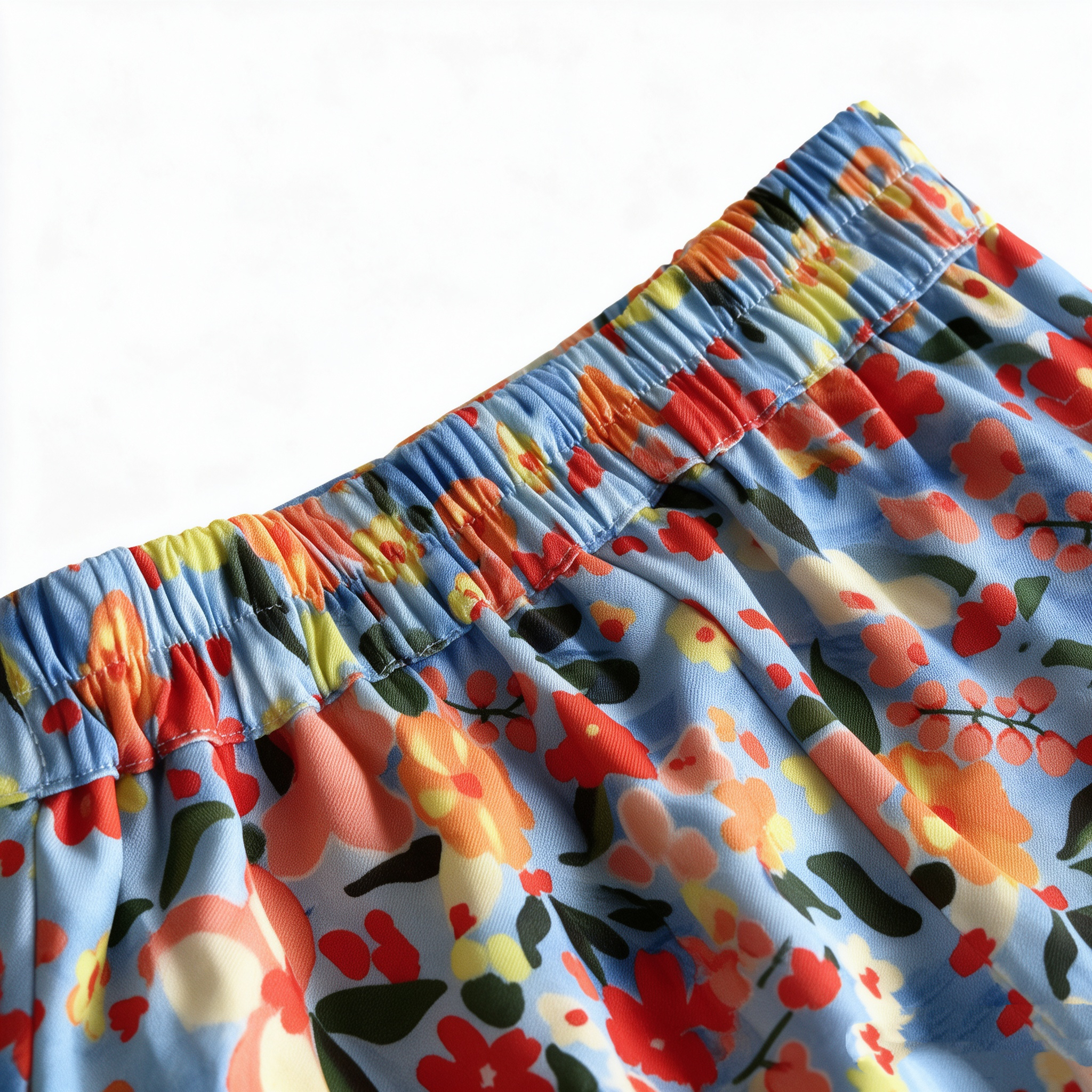
Across all silhouettes, the waistband deserves its own specification. A knit skirt may use an encased elastic, a wide self-fabric band, ribbed elastic, a shaped waistband, or a drawcord. Each option changes comfort, support, and production complexity. The waistband should be reviewed together with the women’s knit bottoms category, especially when a brand is planning skirts, trousers, and co-ords around one fit language.
Understand Fabric and Knit Structure Together
There is no single “best” fabric for a knitted skirt. The right material depends on the intended silhouette, season, care requirements, price point, and customer expectations. Fiber composition and knit construction should be assessed as a pair.
| Fiber or blend | Useful strengths | Watch-outs in a skirt |
|---|---|---|
| Cotton | Soft hand feel, breathability, familiar everyday comfort | Can shrink or distort if preparation and finishing are not controlled; lightweight versions may be semi-transparent |
| Viscose or modal | Smooth surface, fluid drape, comfortable next-to-skin feel | May need careful washing and drying; dimensional stability and cling should be checked |
| Wool and wool blends | Warmth, natural texture, premium seasonal appeal | Can feel scratchy at the waist, may require lining or careful care, and can settle under weight |
| Acrylic | Wool-like visual texture at a different price position | Pilling and shape retention vary significantly by yarn quality and construction |
| Polyester and poly-blends | Design flexibility, color consistency, and easy-care potential | Breathability and hand feel depend on yarn and finish; avoid choosing by fiber name alone |
| Elastane-containing blends | Improved stretch and a closer fit | Recovery still depends on the base fiber, structure, and percentage used |
| Nylon or polyamide blends | Can add durability and shape support | The exact blend needs evaluation; not every nylon-rich knit feels premium |
These are starting points, not quality guarantees. A well-developed cotton blend can outperform a poorly specified wool blend for a particular use case, and a higher price does not automatically guarantee better recovery or less pilling.
Common knit structures also behave differently:
- Single jersey: Smooth and versatile, often suitable for fluid or relaxed styles. Lighter versions may lack opacity, and cut edges can curl.
- Rib knit: Vertical texture and widthwise elasticity. Often useful for fitted skirts and waistbands; check both stretch and recovery.
- Interlock: A smoother double-knit structure that can provide more body and stability than many single jerseys.
- Cable knit: Raised texture and seasonal appeal. Added surface and weight affect drape, warmth, and proportion.
- Pointelle: Decorative openwork for light, distinctive styles. Coverage and snagging risk need testing.
- Jacquard: Patterned construction that can create an integrated design. Pattern repeat and sampling time deserve attention.
For flat-bed knitwear, gauge is another useful production reference. Indicative ranges may include 3GG–5GG for chunkier constructions, 7GG–9GG for many medium-weight styles, and 12GG–14GG for finer knits. Gauge alone does not describe hand feel, opacity, or weight; yarn, stitch, density, and finishing must be reviewed together.
Brands planning a broader knit collection can use the same fabric selection framework for knit tops to compare fibers, GSM, stretch, and surface structure. Apply the principles carefully rather than copying a top’s specification directly to a skirt. A skirt carries different weight and tension, and it may need a firmer structure or a different yarn count.
Specify the Details That Protect Fit and Appearance
A convincing sample is not enough if the approved quality disappears after wear. The following attributes should be written into the product specification and checked on a representative garment.
Stretch and recovery
Stretch describes how far the fabric extends. Recovery describes how closely it returns to its original dimensions. Both matter, but recovery is especially important in a fitted or straight skirt. Record the required stretch direction, a practical test method, and the acceptable recovery result. “Comfortable stretch” is too subjective for bulk production.
Dimensional stability
A knitted skirt should keep its intended waist position and length after the agreed care process. Test the approved fabric or finished sample after more than one wash-and-dry cycle where relevant, not simply after a single careful hand rinse that does not represent the consumer’s routine. Record measurements before and after treatment using the same method.
Opacity and lining
Evaluate opacity in daylight and in motion. Fine-gauge knits, pale colors, and close silhouettes are common risk areas. If a lining is used, confirm its composition, length, attachment method, stretch behavior, and effect on warmth. A lining should solve a problem rather than introduce a new reason for the skirt to twist or feel heavy.
Waistband stability
Check whether the waistband rolls, twists, digs in, or slips during sitting and walking. Confirm elastic width and tension, seam bulk, and whether the band is fully encased, partially elasticated, or stabilized with a suitable tape. The correct construction depends on the silhouette and target fit; there is no universal answer.
Seams, hems, and openings
Knit garments place stress on seams when they stretch. Inspect side seams, linking, coverstitching, waistband joins, vent construction, and hem finish under movement. Slits and high-side openings may need reinforcement, neatening, or a controlled stretch allowance so that the opening remains flat and secure.
Styling a Knitted Skirt Without Adding Bulk
Outfit searches often show the same few formulas: a knit skirt with a sweater, a shirt, boots, or sneakers. The useful question is how to balance texture, volume, and proportion.
- Office and smart-casual: Pair a fine-gauge midi with a fitted women’s knit top, a crisp shirt, or a light cardigan. Keep one element tailored: a clean waistband, a defined shoe, or a structured bag can make the knit construction feel deliberate rather than lounge-like.
- Weekend and travel: An A-line midi with a relaxed T-shirt, fine sweater, and low-profile sneakers is an easy travel formula. If the top is voluminous, choose a skirt with a cleaner line. If the skirt is heavily textured, keep the top smooth.
- Evening: A darker bodycon or straight skirt can move into evening when paired with a sleek top, refined jewellery, and a polished shoe or boot. Check that the waistband and hem remain secure when sitting.
- Cold weather: A wool-blend cable or rib midi can be layered with a compact women’s knit sweater and a long coat. Avoid stacking too many thick textures at once, and choose layers that do not create excess fabric at the hip.
- Warmer weather: Fine-gauge cotton, viscose blends, and pointelle can feel lighter and more seasonal. Check opacity and movement in bright daylight before buying or approving the style.
Body-type guidance can be useful when it explains proportion, but it should not become a list of strict rules. A person can choose a fitted silhouette because they like it, or prefer an A-line because it suits the way they want to move. Comfort, coverage, and personal style remain the deciding factors.
Build Fit Around Movement, Not One Flat Measurement
A knitted skirt should fit properly when the wearer is standing, sitting, walking, and changing position. The waist may measure correctly while the garment still feels unstable, so the fit review should include both numbers and behavior.
Key specification points include:
- waist circumference at the intended position;
- high hip and full hip circumference;
- skirt length from a clearly defined waist point;
- hem width and side-seam shape;
- slit or vent length and position;
- waistband height and stretch;
- measurement method, relaxed or after hanging;
- acceptable tolerances by size.
Use a base sample plus the smallest and largest sizes in the range where possible. Grading should follow the intended fit rather than applying the same increase to every dimension. The waist, high hip, full hip, and hem may require different increments to maintain both comfort and the original silhouette.
A broad size range is not simply a larger size chart. The fit model, fabric consumption, waistband tension, and pattern grading should all be reviewed for the people the brand intends to serve. For plus-size ranges, check that the skirt keeps its design intention rather than becoming uniformly wider, shorter, or less structured.
Control Quality Before the Skirt Reaches the Customer
Quality control should begin with the material specification and continue through the finished garment. Useful checks include:
- fiber content and construction against the approved swatch;
- color consistency in daylight and under approved lighting;
- stitch density, yarn defects, and surface snagging;
- dimensional change after the agreed care process;
- stretch recovery at the waist, hip, and hem;
- opacity and lining performance;
- seam strength, hem neatness, and vent security;
- label content, size identification, folding, and packaging.
A clear approved sample reduces subjective disagreement. Pair it with written tolerances, a garment measurement chart, a care-label requirement, and a defined defect classification. If a third-party inspection is planned, provide the inspection criteria before production begins so that the buyer, factory, and inspector are assessing the same standard.
Turn the Design Into a Production-Ready Knit Skirt
For a brand, the easiest brief to source is not necessarily the longest one. It is the brief that separates confirmed requirements from open questions.
Start with:
- Product purpose: occasion, season, target market, and retail position.
- Reference material: sketch, tech pack, photographs, or a physical sample.
- Material direction: preferred fibers, swatches, yarn hand feel, and care restrictions.
- Knit direction: jersey, rib, cable, jacquard, pointelle, or another structure.
- Measurements: size range, waist position, length, hip fit, hem width, and tolerances.
- Construction: waistband, lining, slit, hem, seams, and internal support.
- Branding: labels, care information, logo, hangtags, and packaging.
- Commercial plan: estimated quantity by style and color, target delivery date, and destination.
The custom women’s knit bottoms development guide explains how these details move into pattern development, sampling, costing, and bulk production. A useful sampling sequence is concept review, swatch approval, first sample, fit review, revision, final approval, and production preparation.
Do not use a reference photograph as the only specification. A photograph can show silhouette and mood, but it rarely communicates yarn composition, exact measurement points, waistband structure, opacity, or behavior after washing. Equally, a tech pack without a real material swatch may leave the most important hand-feel and recovery questions unresolved.
Build a Coherent Range Instead of Chasing Every Trend
A focused range usually tells a clearer story than a large collection of unrelated silhouettes. One practical launch structure could include:
- a hero A-line midi in a core neutral;
- a straight or ribbed midi in a darker commercial color;
- a seasonal maxi, pointelle, cable, or jacquard style;
- one matching top that makes the skirt easy to visualize as an outfit.
Matching pieces can share a yarn family, color reference, and design language without using exactly the same gauge. The skirt may need a denser structure for shape retention, while the top may benefit from a softer or lighter hand feel. The goal is visual coordination, not forcing two different garments into one unsuitable specification.
Adjacent products can also extend the collection without starting from a new design language. A women’s knit dress can use related surface textures or waist shaping, while women’s knit trousers can carry the same palette into a different bottom silhouette. Keep the commercial plan realistic: each added style, color, and size combination creates new planning and production requirements.
Understand What Drives Cost and Minimum Order Quantity
The unit cost of a knitted skirt is not determined by one number such as fabric weight or order quantity. It reflects the interaction of:
- yarn composition and sourcing;
- knit structure and machine time;
- cut-and-sew or fully fashioned construction;
- pattern complexity and sampling requirements;
- lining, pockets, trims, and decorative details;
- size and color combinations;
- washing, pressing, and other finishing;
- labels, hangtags, and retail packaging;
- order quantity and production scheduling.
A plain jersey A-line and a complex jacquard pleated skirt should not be compared as if they share the same cost base. Ask for quotations against the same confirmed specification. Clarify whether sampling, testing, packaging, and shipping-related costs are included, and confirm whether minimums apply per style, per color, or per total order.
Capacity matters as well as price. Qingdao Chengyuan Garment combines design, pattern making, sampling, and production, with monthly capacity of approximately 80,000–120,000 finished garments across its operations. That figure describes overall capability, not a guaranteed monthly output for every skirt style. Actual availability depends on construction, yarn, color, quantity, and production scheduling.
A Final Pre-Launch Checklist
Before approving a women’s knitted skirt for production or purchase, confirm that:
- the silhouette matches the intended use and price position;
- the length is measured consistently and the worn length is acceptable;
- the knit has been assessed for stretch, recovery, opacity, and pilling;
- the waistband remains comfortable and stable through sitting and walking;
- the hem, slit, or vent can withstand normal movement;
- the care instructions match the product’s actual performance;
- the size range has been graded and fitted across more than one body size;
- branding and labels comply with the destination market;
- the approved sample, written specifications, and bulk garment use the same standard.
Frequently Asked Questions
What is the most versatile length for a knitted skirt?
A midi length is often the most versatile because it can work with tights, boots, flats, or sandals and move between casual and smarter settings. The exact measurement still matters more than the label. Check the model height, size, and waist-to-hem measurement before deciding.
Which fabric is best for a knitted skirt?
There is no universal best fabric. Cotton blends can suit easy-care everyday skirts, viscose and modal can create fluid drape, wool blends can be useful for colder seasons, and stretch blends can improve fit when recovery is properly tested. Match the fiber and knit structure to the silhouette and use case.
How can I tell whether a knitted skirt will lose its shape?
Look for a specification that includes recovery, measurements after care, and waistband construction. A fit sample should be worn while sitting and walking, not only measured flat. Rib or compact structures often provide more support than light, open knits, but the exact yarn and finishing still determine performance.
What should I wear with a knitted skirt?
Balance texture and volume. A fine top works with a textured or heavy skirt; a looser top is easier with a simple A-line or straight silhouette. For cooler weather, add tights and boots. For warmer weather, choose a fine-gauge skirt with verified opacity and pair it with a light top and sandals.
Can a knitted skirt be lined?
Yes. Lining can improve opacity, comfort, and slip, especially in fine-gauge or close-fitting styles. Confirm the lining’s composition, stretch, length, and effect on warmth. In some constructions, a denser knit or double-layer panel may be a better solution than adding a separate lining.
Can brands order custom women’s knitted skirts in bulk?
Yes, subject to the manufacturer’s capabilities and confirmed specifications. A brand should provide the design reference, target measurements, size range, colors, quantities, branding, packaging, and delivery requirements. Sampling is normally used to confirm fabric hand feel, fit, construction, and finishing before bulk production. Brands can discuss a custom knitwear project with Chengyuan Garment or review more knitwear sourcing guides before preparing a brief.
Final Thoughts
A women’s knitted skirt is a styling decision and an engineering decision at the same time. The length changes proportion, the silhouette changes movement, the yarn controls hand feel, the stitch controls texture, and the waistband and recovery decide whether the garment still looks intentional after a full day of wear.
For shoppers, the best approach is to choose the intended use first, then verify fit, opacity, and care. For brands, the strongest approach is to translate that use case into a measured specification and test it on real people before scaling. When style and performance are developed together, a simple knitted skirt can become one of the most versatile pieces in a wardrobe or one of the most repeatable products in a clothing collection.


Leave a Reply
Want to join the discussion?Feel free to contribute!