

tactical dog vest
A dog vest is not one product but a broad clothing category with different jobs. Cooling vests help manage heat, cotton vests provide light everyday coverage, knitted and fleece styles add warmth, and weather shells protect against rain, wind, dust, or trail debris. These products may look similar, yet their fabrics, construction, and safety requirements are not interchangeable. The first step is to define the intended use, because a fashion vest is not a harness, life jacket, service vest, or emergency cooling device. Fit is important: the neck, chest, back, armholes, and hem must allow natural movement without twisting or compression. Harness access and ease of dressing affect daily wear. For pet brands, a coherent range begins with one tested fit system and distinct materials for each function. Clear sizing, fabric performance data, care instructions, and honest product claims help customers choose the right dog vest and use it safely.
Dog Vests Explained: How to Choose the Right Type, Fit, and Fabric
“Dog vest” is a broad search term. It can mean a lightweight cotton clothing layer, a cooling vest for summer walks, a winter pullover, a reflective safety vest, a flotation vest, or even a harness-style product designed for walking. These products may look similar in a product photo, but they perform very different jobs. Buying by appearance alone can lead to a garment that traps heat, slides out of position, or does not provide the protection the customer expected.
This guide separates the main clothing and outdoor vest categories, explains how to judge fit and fabric, and gives pet brands a framework for building a coherent product range. It focuses on wearable dog apparel rather than walking harnesses, life jackets, service-dog identification, or medical products. Brands sourcing from a custom pet clothing manufacturer can use the article to define the intended function before choosing the style, material, closure, and size range.
Quick answer: choose the job before the design
A useful dog vest should have one clear primary purpose:
- cooling during hot weather;
- light warmth in mild conditions;
- insulation in cooler weather;
- wind, rain, dust, or dirt protection;
- improved visibility;
- full-leg coverage when a standard vest is not enough.
The same fit block can support several categories, but the fabric and performance claims should change with the job. A cool-touch summer vest and an insulated winter vest cannot share the same product copy just because both are sleeveless.
First, separate clothing from non-clothing “vests”
Search results for “dog vest” often mix apparel with:
- no-pull harnesses;
- life jackets;
- service-dog vests with ID panels;
- hunting or predator-protection gear;
- anxiety wraps;
- high-visibility workwear.
If the customer wants help controlling a dog on a leash, a garment is not a substitute for a fitted harness. If the dog will be near deep water, a garment that merely looks padded is not a life vest. Clear category language is essential for customer safety and search relevance.
This article addresses clothing and protective apparel. The wider pet clothing collection provides the context for different garment types.
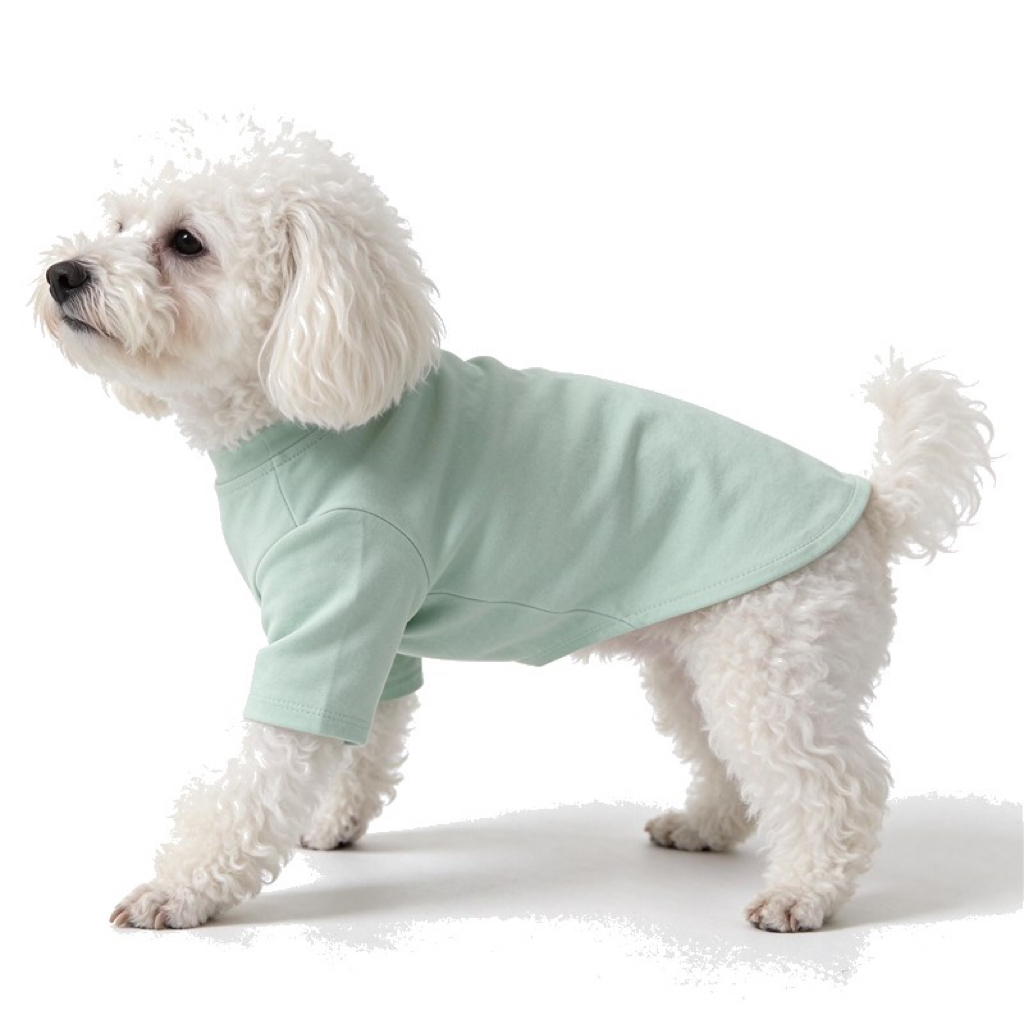
The main dog vest categories
1. Cooling vests
A dog cooling vest is designed to help with heat exposure. Cooling systems may use evaporation, gel or ice packs, phase-change materials, reflective fabric, or cool-touch textiles.
The main buying question is not simply “Does it feel cool?” It is “How does it cool, and does that method fit the weather?” Evaporative vests need airflow and can lose effectiveness in high humidity. Insert-based vests can work differently but add weight and require safe contact. A lightweight cool-touch style such as this summer cooling dog vest can be useful for light summer wear, but cool touch is not the same as long-lasting active cooling.
The vest should never be presented as heatstroke treatment or as a replacement for shade, water, rest, and careful activity planning.
2. Cotton and light everyday vests
A cotton or cotton-blend vest provides a simple layer for mild weather, indoor use, travel, and short dry walks. The fabric may be soft, breathable, stretchy, brushed, or lightly structured. The dog vest product page is a useful starting point for this clothing category.
Cotton is not waterproof and does not automatically provide UV protection. Its advantages are usually hand feel, breathability, and comfort rather than technical weather performance. For a detailed fabric explanation, keep the product description specific: fiber blend, knit or weave, fabric weight, stretch, surface finish, and care.
3. Knit and warmer sweaters
A dog sweater may use knit construction, brushed yarn, fleece, or a stretch fabric with more insulation. Sweaters and vests overlap in shape, but the best choice depends on temperature, activity, fur, and whether the dog will wear the garment indoors or outdoors.
A knit vest can provide warmth without full sleeve coverage, making it easier to dress and allowing more shoulder movement. However, a closed knit may block wind and trap heat more than a light cotton layer. Product pages should identify the intended season instead of calling every sleeveless garment “all-season.”
4. Cooler-weather vests
A dedicated dog winter vest may use a denser knit, fleece, brushed interior, wind-resistant shell, or insulated panel. The high collar, hem length, and closure become more important as the garment becomes warmer.
Check whether the vest can be worn comfortably under a harness or coat. A bulky collar may interfere with the neckline of a shell, while a long hem may catch when the dog sits. Heavier fabric also increases the need for accurate chest and back grading.
5. Rain and weather-protection vests
A dog rain jacket or weather shell uses different materials from a cotton or knit vest. Water resistance, seam construction, closures, and drying behavior matter more than softness alone.
A sleeveless rain vest can be useful for short outings, but it leaves the legs and lower belly less protected. A full-coverage product may be better for wet grass or long walks. The feature comparison should explain the tradeoff rather than hide it.
6. Dust, wind, and trail vests
A dog dust-proof coat may reduce contact with dust, dirt, or light wind. This is not the same as waterproofing. A tightly woven fabric can block some dust and airflow while still allowing water to pass through under pressure.
Trail products should be evaluated on abrasion, closure stability, harness access, and ease of cleaning. A shell that looks technical in a photo may still fail if the neckline lifts during movement or the belly panel catches on brush.
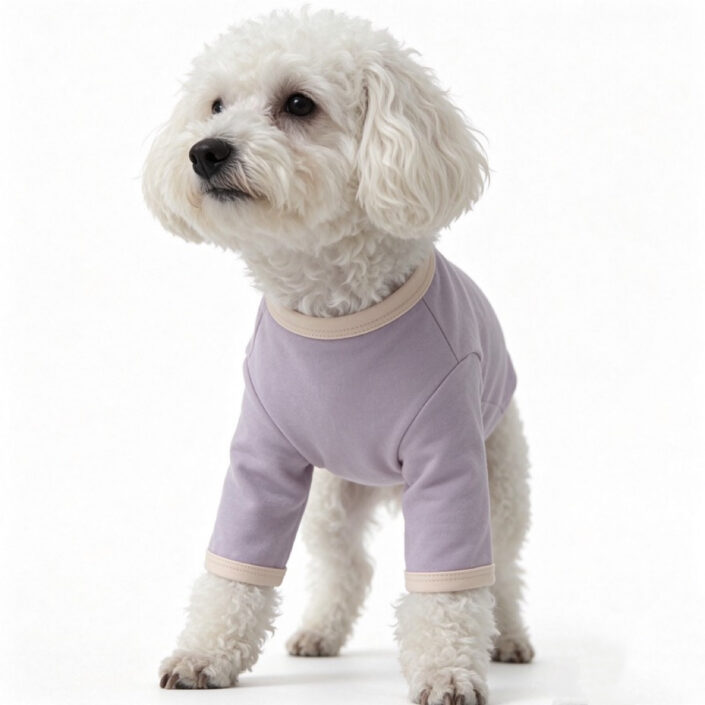
7. Four-leg alternatives
When a standard vest leaves too much of the legs exposed, a dog four-leg jumpsuit may be the better category. Four-leg garments add coverage but require more complex leg openings, belly access, and grading. They should not be treated as a standard vest with two extra tubes attached.
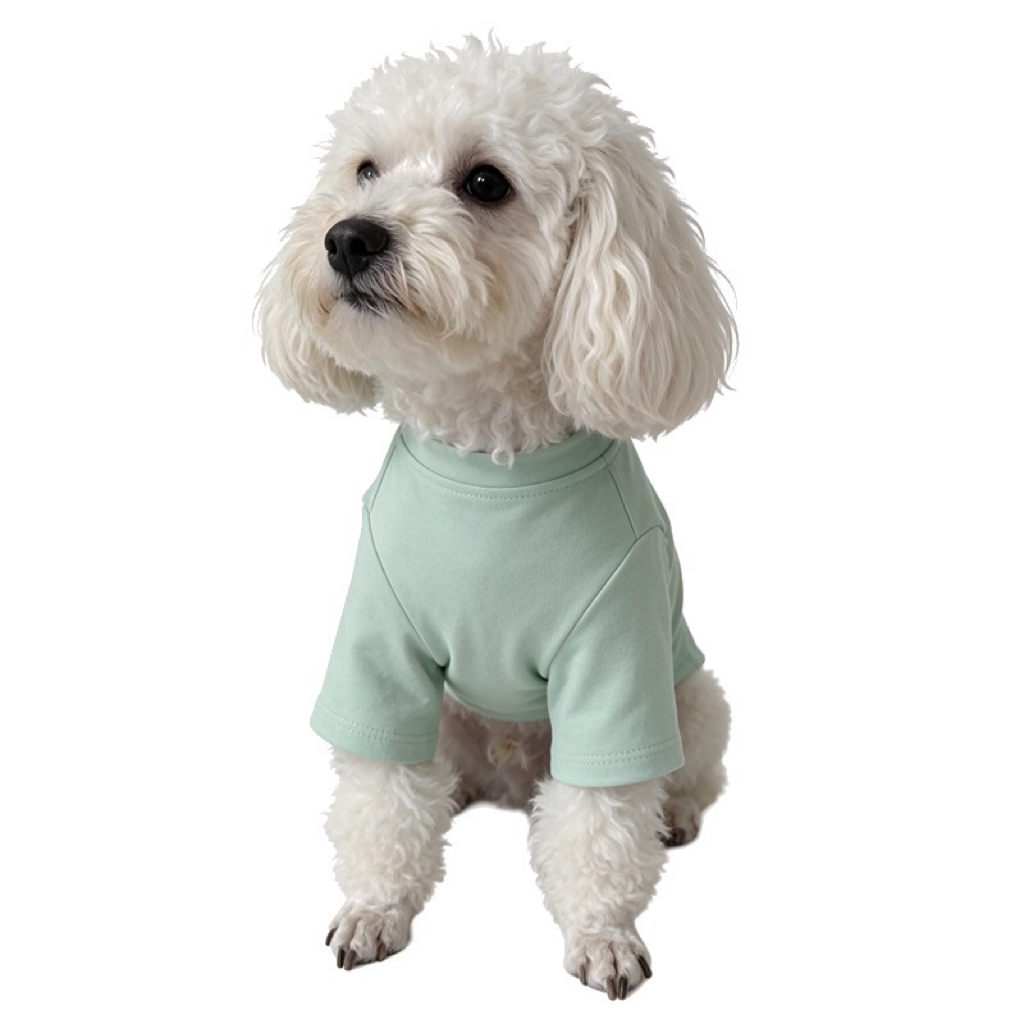
Match the vest to the environment
| Use case | Best direction | Key check |
|---|---|---|
| Indoor comfort or light travel | Cotton or soft knit vest | Breathability and easy washing |
| Mild dry weather | Light vest or thin sweater | Neck comfort and shoulder freedom |
| Cool weather | Knit, fleece, or insulated vest | Warmth without excess bulk |
| Hot dry weather | Evaporative or light cooling vest | Water access and airflow |
| Hot humid weather | Insert-based or hybrid cooling design | Weight, condensation, contact safety |
| Rain or wet grass | Weather-resistant jacket | Seam coverage and drying |
| Dusty trails | Dense, easy-clean shell | Abrasion and harness compatibility |
| Full leg coverage | Four-leg suit | Stride, leg cuffs, bathroom access |
Fit is the most important common requirement
Every vest type shares the same basic fit zones:
- neck opening;
- chest girth;
- back length;
- front armhole or shoulder opening;
- belly clearance;
- hem and closure position;
- harness or leash access.
The vest should not slide toward one shoulder, pull at the front legs, or lift at the back. A close fit can be appropriate for cooling, but “close” should not mean compressive. A loose fit may trap heat or catch on obstacles.
Measure the individual dog rather than relying on breed or weight alone. Use a reliable dog measuring guide and compare the results with a developed dog clothes size chart by breed. Test the vest standing, walking, turning, sitting, and lying down.

Fabric choices by vest type
| Fabric direction | Typical use | Main limitation |
|---|---|---|
| Cotton or cotton blend | Everyday light vest | Not water-resistant; can absorb moisture |
| Rib knit or sweater knit | Mild-to-cool weather | Can stretch or trap heat |
| Fleece or brushed knit | Soft warmth and layering | Bulk, pilling, and overheating risk |
| Woven synthetic shell | Rain, wind, dirt, or trail use | Stiffer hand feel and seam requirements |
| Mesh or open knit | Ventilation and light coverage | Limited warmth or weather protection |
| Cool-touch knit | Immediate summer sensation | Not necessarily long-lasting cooling |
The fabric name is not the whole product. Construction, weight, stretch recovery, seam type, finish, and care method affect the final performance.
Dog vest versus dog sweater: which is better?
A vest and sweater are often separated by construction rather than sleeve length alone.
- A vest may use woven fabric, jersey, fleece, or a technical shell.
- A sweater usually uses knit construction and is selected for soft warmth.
- A cooling vest is a functional system, not a warm sweater.
- A rain vest is an outer shell, not an indoor layer.
The right decision comes from purpose and weather. For dry, cool indoor conditions, a sweater may be ideal. For a light summer layer, a thin cotton vest may be better. For rain, use a weather shell. Product pages should explain those distinctions explicitly.

How pet brands can build a coherent vest range
Start with one fit block and develop clear material systems:
- Everyday light vest: cotton or soft blend for mild weather.
- Knit thermal vest: sweater or brushed knit for cooler conditions.
- Cooling vest: defined evaporative, insert, reflective, or cool-touch system.
- Weather shell: rain- and wind-focused material with sealed or protected seams.
- Dust or trail vest: durable outer shell with easy cleaning.
- Four-leg extension: full coverage when the customer needs more protection.
Each style should carry a different performance brief and a different product page. Shared labels and colors can create collection cohesion without implying identical performance.
For production, define:
- target dog size range and full measurement chart;
- fabric composition, weight, stretch, and recovery;
- neck and armhole openings;
- closure type and hardware;
- harness and leash access;
- thermal, cooling, rain, or UV test requirements;
- shrinkage, pilling, colorfastness, and abrasion standards;
- care instructions and packaging.
The site’s dog clothing business guide can help teams organize sampling, product count, and launch scope.

Care and safety
Remove the vest if it rubs, restricts movement, causes the dog to overheat, or becomes saturated with water or mud. Follow the care label, especially for coated shells, cooling materials, and brushed knits. Do not leave a fitted vest on an unsupervised dog when it could catch on an object or cause distress.
Customers should also understand the limits of each type. A fashion vest does not provide flotation, body protection, or service-dog identification. A cooling vest does not treat heatstroke. A rain vest does not warm a dog by itself. Clear category and safety language improves trust.
Frequently asked questions
What is a dog vest used for?
A dog vest can provide light warmth, cooling, weather protection, visibility, or another defined function. The first step is to decide which job the vest needs to perform.
How should a dog vest fit?
The neckline should be comfortable, the chest should not be compressed, the armholes should allow free shoulder movement, and the hem should stay stable without catching. Measure neck, chest, and back length, then test the garment in motion.
Is a dog vest warmer than a sweater?
Not necessarily. Warmth depends on fabric, thickness, construction, fit, and wind resistance. A knitted sweater may be warmer than a thin cotton vest, while a technical shell may provide better weather protection with little insulation.
Are dog cooling vests suitable for every hot day?
No. Cooling performance depends on the cooling mechanism, humidity, airflow, activity, and fit. Use cooling gear with supervision and continue to provide shade, water, and rest.
Can a dog vest be worn with a harness?
Only when the openings and fit work together. The harness should not pull the vest out of position or press hardware into the dog. Test the complete setup before regular use.
Can pet brands order custom dog vests?
Yes. Buyers can customize fit, fabric, closure, colors, labels, and packaging. The sample should be tested for the intended function rather than approved from appearance alone.
The bottom line
A dog vest is a category, not one product. Cooling, light warmth, winter insulation, rain protection, dust resistance, and visibility require different fabrics and validation methods. The common foundation is fit: a vest must stay in place without restricting the dog. Pet brands that define the job, build a graded pattern, document material performance, and separate each product category can create a range that is easier to shop, easier to sell, and safer for customers to use.
Brands developing a dog vest collection can contact Chengyuan Garment with the intended season, performance goal, target size range, fabric direction, closure requirements, and reference sample.



Leave a Reply
Want to join the discussion?Feel free to contribute!