

cooling vests for dogs
A stretch cotton dog vest should feel soft, follow natural movement and retain its shape through repeated wear and washing. This guide explains how a 95% cotton, 5% spandex knit and 40s cotton fleece construction affect handfeel, stretch, recovery, shrinkage, pilling and care. It connects shopper priorities such as easy dressing, shoulder comfort, harness access and breed-specific sizing with the specifications needed for professional pattern development and bulk production. Rather than treating elasticity as a universal solution, the article maps stress across the neck, chest, shoulders, back and belly, then provides a stretch-aware measurement method and size-grading framework. Buyers will also find a practical validation matrix, a production-ready tech pack checklist, six sampling approval gates, MOQ considerations and bulk quality controls. Use these steps to develop a clearer stretch cotton dog vest brief, reduce avoidable sample revisions and prepare an accurate final manufacturing quotation for private-label seasonal pet apparel collections.
Stretch Cotton Dog Vests: Fabric, Fit & Custom Manufacturing
A stretch cotton dog vest has to feel simple to the customer: soft on the dog, easy to put on and stable enough not to twist during a walk. Behind that simple experience are several production decisions. The fabric must stretch without growing permanently, the pattern must preserve shoulder movement and the finished vest must survive home washing without losing its intended fit.
This guide focuses on a specific product direction: a 95% cotton, 5% spandex dog vest made from 40s cotton fleece fabric with stretch. As a custom pet clothing manufacturer serving pet brands, wholesalers and private-label businesses, Chengyuan can use those requirements as the start of fit and sample development. View our custom dog vest page for the product overview, then use the technical points below to prepare a clearer production brief.
What 95% Cotton, 5% Spandex and 40s Cotton Fleece Mean
These specifications are related, but they do not describe the same property.
| Specification | What it suggests | What still needs confirmation |
|---|---|---|
| 95% cotton | Soft handfeel, natural appearance and a cotton-rich surface | Fiber quality, combing or yarn preparation, colorfastness and moisture behavior |
| 5% spandex | Potential for stretch and comfortable movement | Stretch direction, recovery rate and growth after wear |
| 40s yarn | A finer cotton yarn count than coarser counts such as 20s or 30s | Actual yarn quality, fabric density and whether the count is single or plied |
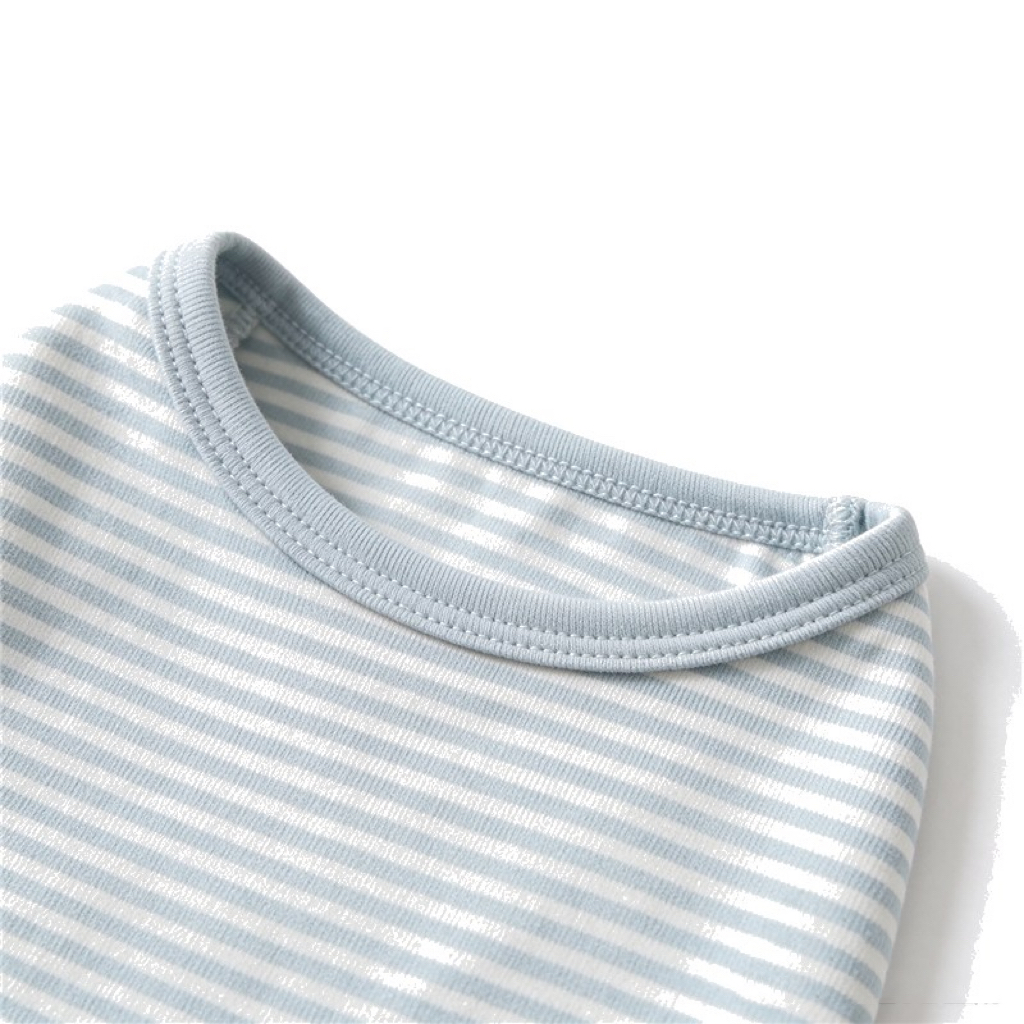
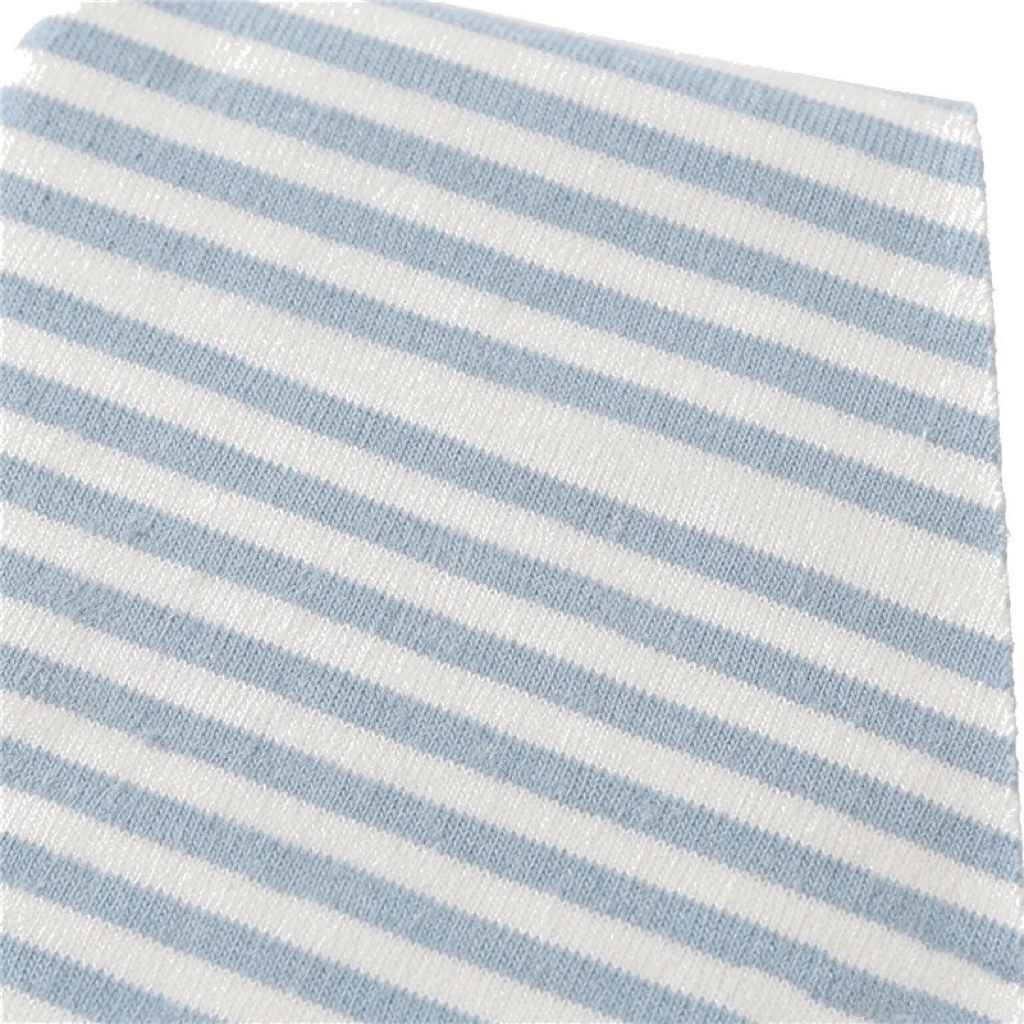
| Cotton fleece | A brushed or raised inner surface with an expected soft, cozy handfeel | Fabric weight, pile height, pilling performance and whether the back is brushed or loopback |
The 40s yarn count may support a smoother, softer fabric surface, but a higher yarn count does not automatically make the final vest warmer, stronger or better. Fabric architecture, density, finishing and the relationship between face and back matter as much as the yarn count.
What Shoppers Expect from a Cotton Dog Vest
Softness without a loose fit
The dog should be able to move freely, but the opening should not slide down the shoulders or expose too much of the back. Stretch helps the vest follow the body, yet a stretch fabric can still twist if the pattern is poorly balanced.
Comfort through the shoulders
The front opening and armholes should support a natural stride. If the chest panel is too short, the vest may pull upward when the dog walks. If it is too loose, the back can shift to one side.
Easy on and off
Hook-and-loop, snaps or a zip can all work. The closure should open far enough to dress a wiggly or sensitive dog, sit flat when closed and avoid catching long hair.
Fit for different body proportions
Neck size, chest girth, back length and body depth do not increase at the same rate across breeds. A dachshund, French bulldog and greyhound may need completely different pattern balances even when their weight is similar.
Clear care expectations
Cotton-rich fleece is comfortable, but cotton can absorb and retain moisture. Buyers should not automatically describe the vest as quick-drying or moisture-wicking unless the exact fabric and finished garment have been tested.

Distinguish the Product from Other Kinds of Dog Vests
| Vest type | Typical purpose | What buyers expect |
|---|---|---|
| Stretch cotton fleece vest | Everyday comfort, cool-weather layering and indoor-outdoor use | Soft handfeel, flexible fit, easy dressing and simple care |
| Cooling vest | Heat relief in warm weather | Evaporative cooling, gel inserts or PCM, plus measurable temperature performance |
| Padded winter vest | Extra warmth in cold conditions | Insulation, wind resistance and coverage |
| Service or training vest | Identification, patches or working equipment | Patch attachment, load stability and dedicated functional construction |
| Lightweight cotton shirt | Basic coverage in mild weather | Thin fabric, breathability and visual styling |
This 95/5 cotton fleece vest belongs in the soft everyday apparel group. It should not borrow performance claims from a cooling, waterproof or tactical product.
Understand Why the Fabric Stretches
Spandex is an elastic fiber that helps the knit recover after extension. However, the percentage alone cannot tell you whether the fabric stretches in two directions or four directions, how much force is needed or how quickly it returns.
The production brief should include:
- stretch direction;
- stretch percentage under an agreed method;
- recovery after extension;
- growth after a wear trial;
- shrinkage after the proposed wash and dry process;
- seam elasticity and seam recovery.
A 5% spandex label is useful information, but it is not a complete performance specification.
Cotton Fleece Is More Than a Soft Backing
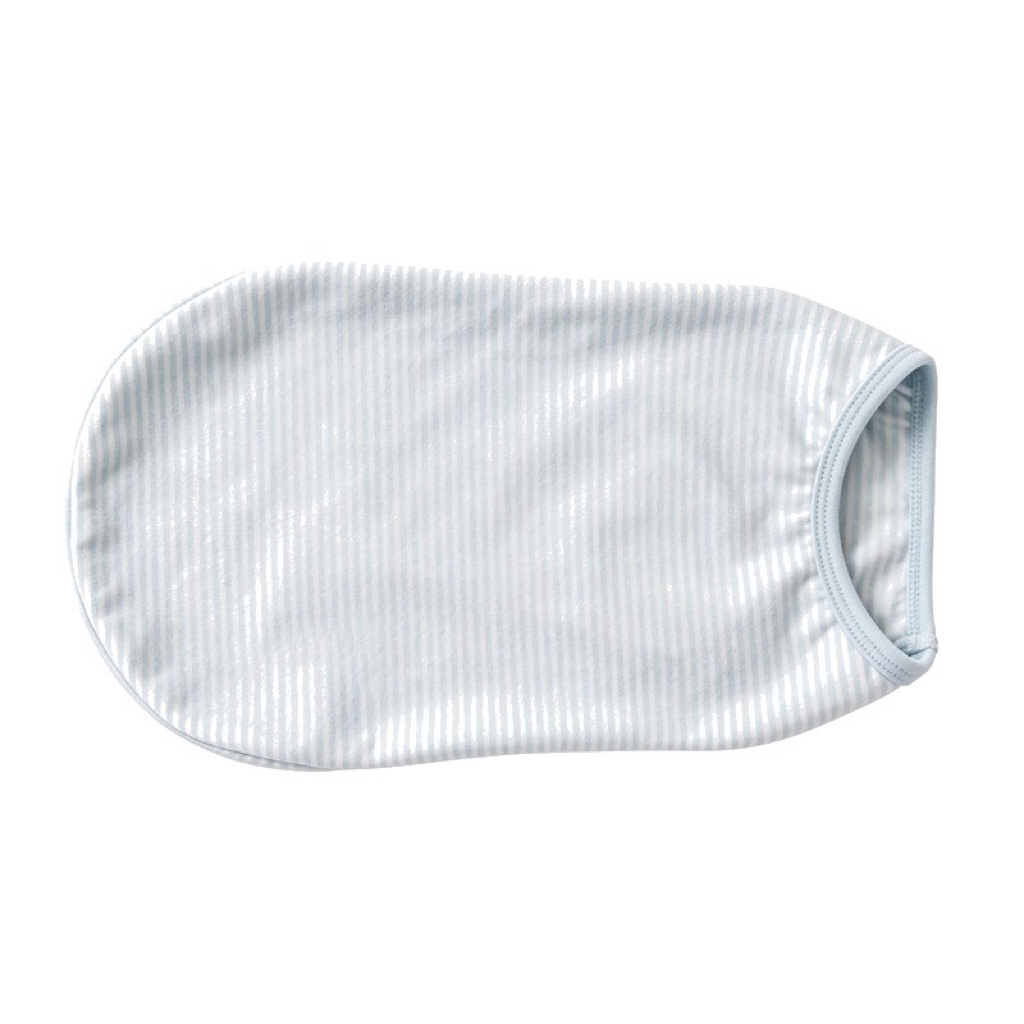
Cotton fleece can use a brushed surface, loopback structure or another raised knit technique. The finish affects surface softness, warmth, pilling, drying and visual consistency.
Surface softness
The inner surface that touches the dog should feel smooth and consistent, especially around the neck, chest and belly. Abrasive or irregular fleece may cause discomfort after repeated wear.
Pilling
Fleece can pill when friction occurs under a chest harness or around the shoulder opening. The final acceptance standard should include an abrasion or pilling check based on the brand’s market requirements.
Fabric weight
Yarn count is not fabric weight. Confirm the actual grams per square meter and keep it in the approved specification before comparing samples.
Color and dye consistency
Cotton-rich fabric should be checked for shade variation between fabric lots. Dark colors, saturated prints and contrast trims may need additional colorfastness review.
Design the Vest Around the Dog’s Body
| Body zone | Fit question | Specification to define |
|---|---|---|
| Neck | Does the opening sit cleanly without rubbing or slipping? | Neck circumference, trim width, closure overlap and stretch direction |
| Chest and shoulders | Can the front legs extend naturally? | Armhole depth, front panel length, stretch balance and seam position |
| Back | Does the vest remain level during movement? | Back length, center balance, hem shape and fabric recovery |
| Belly | Is there enough coverage without interfering with elimination? | Panel depth, relief opening, closure position and elastic tension |
| Forelegs | Does the armhole roll, rub or pull? | Binding width, opening size and cover-stitch finishing |
| Rear hem | Does the vest lift, drag or twist? | Hem sweep, tail clearance and lower-back tension |
Review the sample while the dog stands, walks, trots, sits and sniffs. A stretch vest can look perfect in a static photo while the armhole pulls once the dog reaches forward.
Use a Stretch-Aware Size Range
Confirm four measurements before pattern development:
- Neck circumference at the position where the vest will fasten;
- Chest girth around the widest part of the rib cage;
- Back length from the base of the neck to the tail base;
- Chest-to-belly body depth.
The useful stretch range should be documented for each size. If a Medium fits chest girths from 18 to 21 inches, record that range rather than implying that the vest fits every Medium-sized dog.
Our dog clothes size chart by breed gives buyers a practical reference. Follow the step-by-step dog measuring guide when collecting customer measurements for product testing.
During grading, check the neck, chest, back and depth separately. Long-backed dogs need balanced back coverage without a loose chest, while broad-chested dogs may need a different armhole and closure shape.
The measurement logic in our guide to choosing the right size dog sweater is also useful here: neck, chest and back length cannot always be graded at the same rate.
A Validation Matrix for 95/5 Cotton Fleece Vests
| Check | Why it matters | Approval evidence |
|---|---|---|
| Fiber composition | Confirms that the product matches the stated 95/5 blend | Fiber test report or approved supplier documentation |
| Yarn count | Supports the stated 40s cotton construction | Yarn specification and lot record |
| Fabric weight | Creates a measurable basis for handfeel and thickness | GSM result under an agreed method |
| Stretch direction | Shows how the fabric accommodates movement | Laboratory record for width and length |
| Recovery | Prevents bagging at the neck, chest and hem | Repeated extension and post-wear review |
| Wash shrinkage | Protects fit and body length | Face and assembled-garment results |
| Spirality or twisting | Keeps side seams and center front balanced | Washed-sample comparison |
| Pilling and abrasion | Tests the fleece surface and high-friction areas | Pilling/abrasion result plus visual review |
| Colorfastness | Protects dyed fleece and contrast trims | Washing, rubbing and relevant exposure testing |
| Seam extension | Confirms that seams move with the knit | Stretched and washed seam review |
| Closure performance | Prevents openings, snagging or edge curl | Repeated open/close and assembled fit testing |
| Harness access | Confirms the leash opening remains stable | Controlled-pull test with the intended harness |
| Gait and rubbing | Shows whether the pattern supports natural movement | Photo and video review during walk and trot |
| Drying behavior | Sets realistic care guidance | Controlled wetting and drying record |
Acceptance values should be agreed with the brand and target market. Avoid broad claims such as “will not shrink,” “anti-pilling” or “quick-dry” unless the finished garment has been tested against the claim.
Build a Production-Ready Tech Pack
A useful brief for a stretch cotton dog vest should include:
- Intended season and use environment;
- Target breeds, weights and body profiles;
- Neck, chest, back and body-depth measurements;
- Fit range and measurement tolerances;
- 95% cotton / 5% spandex composition;
- 40s cotton yarn requirement;
- Cotton fleece structure, face finish and inner surface;
- Actual fabric weight and color standard;
- Stretch direction and recovery target;
- Closure type, opening size and reinforcement;
- Harness or leash-opening location;
- Neckline, armhole and hem finishing;
- Labels, logos, packaging and care content;
- Quantity by size, color and style option.
If the design uses a knitted garment route, compare the dog sweater category before sampling. If the design uses a cut-and-sew cotton fleece fabric, the sheet, pattern and seam requirements will be different.
Six Sampling Gates
Gate 1: design direction
Confirm whether the vest is a soft everyday layer, a seasonal fashion piece or part of a coordinated set. Approve the silhouette, closure and harness requirements.
Gate 2: fabric and fleece
Approve face fabric, fleece backing, weight, color and stretch direction. Review the actual handfeel after the fabric has relaxed.
Gate 3: first fit sample
Check neck access, chest tension, armhole clearance and back length. Mark every area that lifts, twists or restricts movement.
Gate 4: stretch and movement trial
Test the revised vest in motion and with the intended harness. Confirm that the stretch is useful rather than simply loose.
Gate 5: washed sample
Wash and dry the assembled vest according to the proposed care label. Recheck dimensions, seam balance, fleece appearance and closure performance.
Gate 6: pre-production sample
Approve final fabric lots, measurements, color, trims, labels and packaging. Use this sample as the bulk inspection reference.
Build a Coherent Pet Apparel Range
A stretch cotton vest can be developed as a soft core product rather than an isolated style.
Coordinated knit layer
A dog hooded zip-up sweater can share the same size logic and color direction where appropriate, while offering a different level of coverage.
Outer protection
For wet or windy conditions, a separate dog rain jacket can be developed as an outer layer. The combined garments must not compress the shoulders.
Other outdoor uses
A dog dust-proof coat addresses a different protection need. Keep the performance claim specific to each product.
A wider clothing assortment
Use the pet clothing category to compare vests, sweaters, rainwear and other sewn products. Shared color cards and branding can create a coherent range without implying that every piece shares the same function.
Plan MOQ and Cost Around the Actual Fabric Brief
There is no universal MOQ for a 95/5 cotton fleece dog vest. Quotation variables include:
- stock or custom fabric development;
- 40s yarn availability and fabric minimums;
- number of colors and print designs;
- size-range development and grading;
- closure, trim and harness-opening choices;
- sample revisions and performance testing;
- labels, packaging and barcode requirements;
- total quantity and the breakdown by size and colorway.
Send a quantity matrix with pieces per size and color rather than one total number. This helps the supplier identify the real minimum for each variant and avoid unexpected surcharges.
For brands expanding beyond one style, our dog clothing business guide provides a practical framework for product range, sizing and launch planning.

Bulk Quality Control and Care
The production inspection plan should check:
- neck, chest, back and body-depth measurements;
- fabric and fleece shade consistency;
- 95/5 composition and fabric lot traceability;
- stretch and recovery in the assembled vest;
- seam elasticity and flatness;
- closure security and edge recovery;
- armhole and neckline finishing;
- harness-opening position and reinforcement;
- label and care-instruction accuracy;
- washed appearance and packed condition.
Care instructions should follow the actual fabric and finish. Cotton-rich fleece may benefit from gentle washing, reshaping and flat drying, while excessive heat may increase shrinkage or distort the fleece. Confirm the care process through the washed sample.
Learn more about our factory and production approach, or discuss the target-market test requirements for your product.
Create a Vest That Fits the Customer’s Real Need
A strong stretch cotton dog vest is not defined only by its ingredient percentages. The value comes from the complete system: a soft 40s cotton fleece construction, useful stretch, stable recovery, a pattern that supports movement and a care process customers can follow.
Start with a sketch, reference sample, fabric specification, size chart, harness requirement and quantity matrix. Contact our team to discuss custom stretch cotton dog vests, private-label pet apparel or a coordinated clothing collection.
Stretch Cotton Dog Vest FAQ
What is a stretch cotton dog vest?
It is a dog vest made from a stretchable cotton-rich knit, often with spandex for flexibility. It can also have a cotton fleece inner surface for softness.
What does 40s cotton fleece mean?
The 40s refers to a finer cotton yarn count. Cotton fleece describes a knitted fabric with a soft, raised or looped back. The yarn count should be specified together with fabric weight, construction and finish.
Is 95% cotton and 5% spandex good for a dog vest?
It can provide a soft handfeel and useful stretch, but the finished garment still needs testing for stretch direction, recovery, shrinkage, pilling and seam stability.
Does 5% spandex mean the vest is four-way stretch?
No. The stretch direction depends on the knit structure and finishing. Confirm the measured stretch in both the width and length.
Is cotton fleece quick-drying?
Not automatically. Cotton absorbs moisture and may dry more slowly than synthetic performance fabrics. Use a quick-dry claim only after testing the specific fabric and finished vest.
How should a stretch dog vest fit?
It should allow natural shoulder movement, remain stable on the back and clear the elimination area. The neck and chest should feel secure without compression.
Should a dog vest have a harness opening?
A reinforced opening can make the vest easier to use outdoors if its position matches the intended harness. Test the opening under a controlled leash load.
Can a cotton dog vest be washed?
Yes, when the care label is matched to the actual fabric, fleece and trims. Test a washed sample before bulk approval and define the correct water temperature and drying method.
Can the vest be customized with a private label?
Yes. Woven labels, care labels, logos, hangtags and packaging can be developed for private-label orders.
What information is needed for a quotation?
Provide the design, 95/5 fabric specification, 40s yarn requirement, actual fabric weight, colors, sizes, closures, harness details, branding, packaging and estimated quantity by variant.


Leave a Reply
Want to join the discussion?Feel free to contribute!